
Suspension in Separation Technology
Dec 20,2025
A suspension is a heterogeneous mixture in which fine solid particles are dispersed in a liquid, importantly, the solids do not dissolve.
Suspensions are ubiquitous in industrial production: mineral slurries, chemical precipitates, fermentation broths, pigments, starches, and wastewater solids.
Understanding the nature of suspensions is the fastest way to select the appropriate separation technology, whether your goal is to obtain a clearer liquid, a thicker slurry, drier solids, or a higher recovery rate.
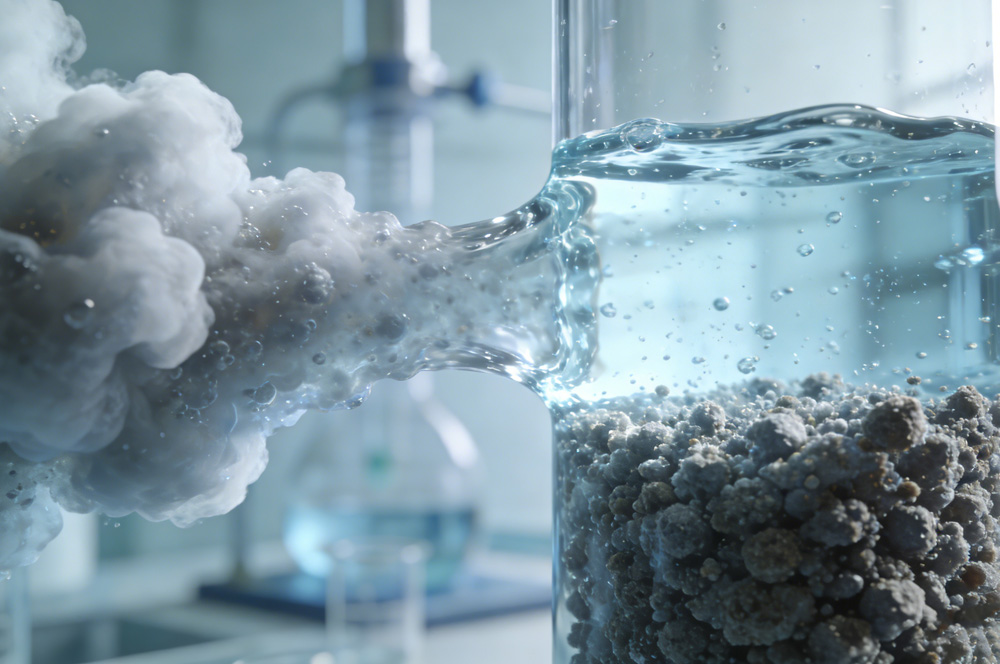
What characterizes a suspension?
Suspensions have two key characteristics:
1) The particles exist in solid form, not in a dissolved state.
They can usually be separated by physical methods, such as sedimentation, filtration, or centrifugation.
2) They will separate over time, but this is not always effective.
In practical processes, many suspensions contain very fine particles that settle slowly or remain stable due to factors such as chemical properties or viscosity, making gravity separation unreliable.
Why are suspensions hard to separate in real processes?
Even when a stream is “just solids in liquid,” separation difficulty changes a lot based on:
- Particle size: fine particles stay suspended longer and can blind filters.
- Density difference: the closer the solid and liquid densities, the harder the split.
- Solids loading: high-solids suspensions can overwhelm clarifiers and filters.
- Viscosity and chemistry: thick or chemically stabilized suspensions resist settling and filtration.
Common separation technologies for suspensions
Gravity settling
Low energy and simple, but slow and sensitive to fine particles and viscosity. Often requires large tanks and stable feed.
Filtration
Can achieve strong clarity, but can become maintenance-heavy with fines, variable solids, or sticky/abrasive particles.
Centrifugal separation
Uses high G-force to accelerate separation. On industrial separation equipment pages, centrifugal separation is described as a widely used method for separating fluids of different densities and for removing solid particles from liquids in many processes.
This approach is especially useful when suspensions don’t settle well or when continuous operation is required.
--- END ---
Prev: Separator Functional Principle
Next: Throughflow


