Olive Oil Separation: Advanced Centrifugal Solutions for Better Quality and Efficiency

Apr 20,2026

For centuries, olive oil has been cherished by people worldwide for its unique flavor, rich nutritional value, and extensive culinary applications. Whether drizzled over salads, used for sautéing vegetables or frying foods, or processed into premium extra virgin olive oil, its ultimate quality depends largely on the effectiveness of the separation and clarification processes employed during production.

Modern separation technologies not only ensure that the oil is cleaner and purer but also significantly boost production efficiency and increase overall yield.

In traditional methods, following the pressing and malaxation stages, the resulting olive paste typically consists of a mixture of oil, water, and solid residues. Relying solely on gravity or natural sedimentation to separate the oil from this mixture is not only a time-consuming process with highly inconsistent results but is also woefully inadequate for meeting the demands of commercial-scale production.

In contrast, centrifugal separation technology harnesses the centrifugal force generated by high-speed rotation to rapidly and reliably separate the oil component from the mixture, leveraging the density differences between the oil, water, and solid matter.

This technology not only yields clearer, higher-quality olive oil but also facilitates faster, continuous production, making it the ideal process for operations ranging from small-scale artisanal workshops to large-scale industrial production lines.

Olive Oil Separation

The Science Behind Olive Oil Separation

Fundamentally, olive oil separation is a phase separation process that separates oil, water, and solid components from one another based on differences in density. As the olive pulp enters the centrifuge, the rapidly rotating drum generates powerful centrifugal forces.

Denser components are flung outward, pressing tightly against the inner wall of the drum, while the lighter olive oil converges toward the center. This principle not only facilitates rapid stratification but also enables continuous separation, achieving results far superior to those of traditional sedimentation methods.

Centrifugal separation technology is characterized by both high speed and exceptional precision. For olive oil producers, this translates into a product with greater clarity, fewer suspended solids, and lower levels of emulsified water.

All of these parameters are critical for the production of high-quality extra virgin and refined olive oils. Furthermore, centrifugal separation systems are capable of continuous operation, thereby robustly supporting large-scale production without the need for lengthy downtime.

Common Challenges in Olive Oil Separation

Even with modern technology, olive oil producers face several challenges during separation:

Fine Particles and Water Content:

Olive paste often contains very fine solids and emulsions that are difficult to remove with simple gravity separation. These impurities can affect flavor, clarity, and shelf stability.

Efficiency and Yield: 

Maximizing oil extraction while preserving quality is a constant balancing act. Inefficient separation can leave valuable oil trapped in solids or water, reducing overall yield.

Temperature Sensitivity: 

Many high-quality olive oils, especially extra virgin types, must be processed at lower temperatures to preserve antioxidants and aromatic compounds. Separation systems must handle these temperature constraints without compromising performance.

Scalability:

Small press operations often use manual or semi‑manual methods, but commercial plants require continuous, automated systems that can handle large volumes with consistent results.

Addressing these challenges requires advanced separation technology tailored to the specific characteristics of olive oil processing.

Centrifugal Solutions for Olive Oil Separation

Decanter Centrifuges for Initial Clarification

One of the most widely used solutions in modern olive oil processing is the decanter centrifuge. This horizontal centrifuge is highly effective at separating the initial mixture of oil, water, and solids after pressing or malaxation.

The olive paste enters the rotating drum, where centrifugal force drives heavier solids outward and lighter liquids inward. As the drum rotates, an internal screw conveyor moves solids toward a discharge port, while the clarified liquidsare continuously separated.

Decanter centrifuges are especially useful for:

  • Removing large particulate matter from olive paste
  • Reducing water content before final polishing
  • Handling large throughput with stable, continuous operation

By efficiently reducing solids and moisture, decanter centrifuges set the stage for finer separation in subsequent steps.

Disc Stack Centrifuges for Fine Purification

After the bulk separation achieved by decanters, disc stack centrifuges provide finer purification and clarification. These separators are equipped with multiple conical discs that create a large settling surface area. As partially clarified liquid flows through the disc stack, the centrifugal force pushes remaining fine solids and micro water droplets outward, while the pure oil collects toward the center.

Disc stack separators are ideal for:

  • Removing micro‑suspended solids and residual water
  • Enhancing clarity and visual appeal of finished oil
  • Supporting high‑grade extra virgin olive oil production

By combining decanter and disc stack centrifuges, producers can achieve ultra-clear olive oil with minimal impurities, ready for bottling or further refining.

Why Centrifugal Separation Matters for Olive Oil Quality?

Efficient olive oil separation directly impacts product quality in several ways:

  • Improved Clarity: Removal of water and fine solids leads to a brighter, clearer oil that meets market expectations and regulatory standards.
  • Enhanced Stability: Less residual moisture and particles help slow oxidation, extending shelf life.
  • Higher Yield: Centrifugal systems recover more oil from paste and waste streams compared with gravity settling, boosting production efficiency.
  • Consistent Results: Continuous and automated operation reduces batch-to-batch variability, ensuring predictable quality.

Because of these advantages, centrifugal separation is widely adopted in commercial olive oil plants, both for extra virgin and refined products.

Huading’s Centrifugal Solutions for Olive Oil Producers

For olive oil processors looking for reliable and efficient separation technology, Huading offers a range of centrifugal equipment designed to tackle each stage of the olive oil separation process. With more than six decades of experience in separation technology, Huading’s separators and decanters are engineered for high performance, durability, and ease of operation.

Decanter Centrifuges: Robust and efficient for initial phase separation, handling high solid content and reducing moisture before fine polishing.
Disc Stack Separators: Ideal for producing clear, high‑quality olive oil with minimal suspended solids.
Custom Configurations: Huading’s team can tailor systems to meet specific production needs, whether small‑scale artisanal presses or large industrial lines.

In addition to core separation equipment, Huading offers automated controls, self‑cleaning systems, and expert technical support to help producers optimize performance and reduce operating costs.

The Benefits of Huading Centrifugal Systems

Huading centrifugal systems bring multiple advantages to olive oil production lines. Their high-speed separation technology significantly reduces processing time. Unlike traditional gravity settling, which can take hours, centrifugal separation completes clarification in minutes, allowing producers to increase throughput without sacrificing quality.

These systems improve oil clarity and overall product quality. By efficiently removing suspended solids and residual water, the oil becomes visually clearer, more stable, and retains its natural flavor and nutrients. This enhancement is particularly important for premium extra virgin olive oil, where clarity, aroma, and taste are key quality indicators.

Huading centrifuges help minimize downtime and labor costs. Many systems include automated self-cleaning features and continuous operation modes, reducing manual intervention and allowing production to run smoothly around the clock.

Centrifugal technology supports energy-efficient and cost-effective production. Optimized separation reduces waste and ensures higher oil recovery, which lowers operational costs while maximizing the return on investment.

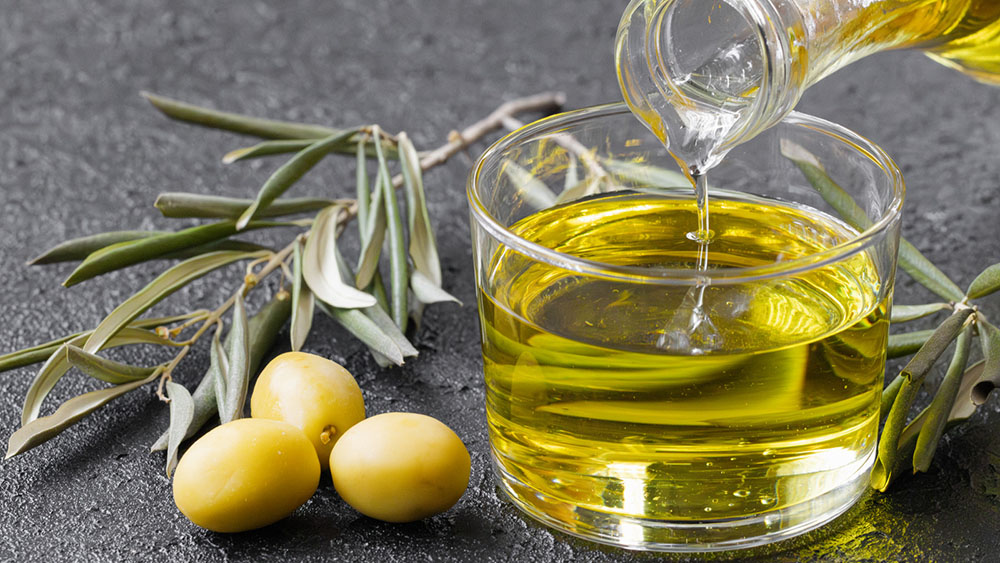
The Benefits of Huading Centrifugal Systems

Applications of Huading Products

Huading offers a range of centrifugal solutions tailored to different stages of olive oil production. Decanter centrifuges are typically used for initial clarification. They handle the olive paste after pressing or malaxation, efficiently separating solids, water, and oil in one continuous process. This step ensures that the majority of solids and moisture are removed, preparing the oil for finer polishing.

Disc stack separators are used for final clarification. They remove remaining fine particles and micro-droplets of water, producing ultra-clear oil suitable for bottling or further refinement. These separators are essential for producing high-grade extra virgin olive oil that meets international quality standards.

Beyond standard separation, Huading products are also applied in:

Small and large-scale industrial production lines: flexible designs accommodate various production capacities.

Cold-pressed or virgin olive oil processing: gentle centrifugal action preserves delicate flavors, aroma, and antioxidants.

High-throughput commercial operations: continuous operation reduces bottlenecks and maintains consistent output quality.

By integrating decanter and disc stack centrifuges in a production line, producers achieve maximum oil recovery, superior clarity, and consistent product quality, while reducing labor, energy, and operational costs. These applications demonstrate how Huading’ s centrifugal technology addresses the practical needs of modern olive oil processing from start to finish.

Conclusion

Olive oil separation is a critical step in transforming fresh olive paste into premium edible oil. Advanced centrifugal technology offers a powerful, efficient, and scalable way to clarify and purify olive oil, surpassing traditional methods in speed, yield, and quality. By applying decanter and disc stack centrifuges, producers can achieve cleaner, more stable oil with greater consistency.

Huading’s comprehensive solutions for olive oil separation help processors meet quality standards, increase production efficiency, and respond to market demand with confidence. With a history of innovation and a global footprint, Huading continues to support olive oil producers with industry‑leading centrifugal technology.

Get A Quote

--- END ---

Online Consultation
error: Content is protected !!