
How Aluminum Hydroxide Enhances Industrial Separation Technologies and Safety?
Mar 19,2026
In advanced industrial processing, materials science plays a crucial role in performance, safety, and product quality.
Among the many compounds driving modern manufacturing and energy solutions, aluminum hydroxide (Al(OH)₃) stands out for its versatility and superior performance. From flame retardancy to battery safety and separation applications, aluminum hydroxide plays a vital role in the ever-evolving field of industrial technology.
This article will explore the properties and applications of aluminum hydroxide and explain how its integration with separation systems is driving innovation across multiple sectors.
Understanding Aluminum Hydroxide: A Versatile Industrial Compound
Aluminum hydroxide is a naturally occurring amphoteric substance. It reacts with both acids and bases and serves as the hydrated form of alumina. Aluminum hydroxide has a wide range of uses across industries such as flame retardants in plastics, manufacturing precursors, pharmaceuticals, and specialized coatings for battery systems.
Chemical and Physical Properties
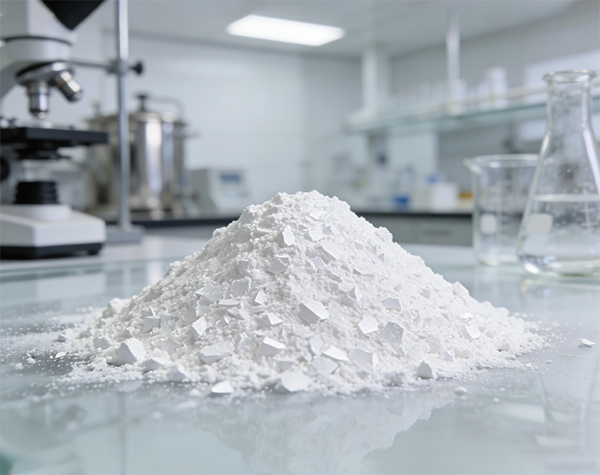
Aluminum hydroxide is typically a white, stable powder that decomposes under heat to form alumina (Al₂O₃), releasing water in the process.
This heat-activated behavior is what makes it so valuable in safety-critical applications such as flame retardancy and thermal stabilization.
- Amphoteric behavior enables chemical flexibility
- Thermal decomposition provides endothermic cooling
- Non-toxic and environmentally acceptable
This combination of chemical resilience and safety attributes has made aluminum hydroxide a popular choice where both performance and compliance matter.

Key Industrial Applications of Aluminum Hydroxide
While not every industrial process involves aluminum hydroxide directly, its role as a functional additive, coating agent, and intermediate precursor touches many high-value applications.
1. Flame Retardants and Safety Enhancers
One of the most widely recognized uses of aluminum hydroxide is as a halogen-free flame retardant. When incorporated into polymers, plastics, and composites, the material absorbs heat and releases water vapor as it decomposes, slowing combustion and reducing smoke.
This makes it ideal for:
- Industrial plastics
- Building materials
- Electrical components
- Protective coatings and sealants
The halogen-free nature of aluminum hydroxide also reduces environmental and toxic gas concerns compared to traditional flame retardants.
2. Battery Technology and Separator Safety
As electric vehicles (EVs), portable electronics, and renewable energy systems proliferate, battery safety has become a central engineering challenge. In lithium-ion batteries, the separator must maintain integrity under thermal stress.
Researchers have found that coating separators with materials like aluminum hydroxide significantly improves thermal resistance and safety. These coatings:
- Inhibit thermal runaway at elevated temperatures
- Enhance electrolyte absorption
- Increase mechanical stability of the separator
- Improve cycle performance and battery life in demanding applications
All of which contribute to a safer, more reliable energy storage system.
In fact, aluminum hydroxide-based composite coatings are being developed specifically to address flammability limitations of conventional separator materials. By acting as a ceramic-style protective layer, these coatings slow heat transfer and improve separator durability in high-energy applications.
3. Industrial Precursors and Processing Aids
While aluminum hydroxide isn’t always used directly in final industrial products, it frequently serves as a precursor raw material to manufacture other important compounds like alumina and aluminum sulfate. Alumina itself is foundational in ceramics, refractories, glass, and catalysis processes.
By integrating aluminum hydroxide into a separation process, facilities can refine chemicals more efficiently, ensuring:
- Consistent particle quality
- Enhanced phase separation
- Lower contamination rates
This capability is especially important in chemical, pharmaceutical, and high-purity production lines.
How Aluminum Hydroxide Relates to Industrial Separation Equipment?
Advanced separation systems, such as centrifuges, decanters, and filters are indispensable across the chemical, energy, environmental, and pharmaceutical sectors. These systems rely on precise solid-liquid or liquid-liquid separation to optimize yields and maintain process integrity.
Although aluminum hydroxide itself doesn’t power the equipment, the materials handled and refined during separation often involve aluminum hydroxide in various forms:
- Micro-powders
- Flame-retardant coatings
- Intermediate compounds
- Ceramic-enhanced battery materials
Industrial separation solutions are designed to handle these complex material streams efficiently.
Role of Centrifugal Separators and Decanters
Modern centrifugal separators accelerate particles and fluids at high speed to achieve separation by density. This mechanism is particularly effective when processing:
- Solid suspensions
- Slurries
- Polymer additives
- Ceramic powders
Whether you’re clarifying a chemical solution containing aluminum hydroxide particulates or concentrating high-value materials for further production, precision separation systems deliver consistent results.
Filtration and Clarification in Powder Processing
Powder handling, especially with fine inorganic compounds such as aluminum hydroxide requires equipment capable of:
- Low-shear filtration
- Consistent cake formation
- Minimal product loss
Specialized filters and centrifuges are engineered to deliver controlled outcomes even with difficult powders that can agglomerate or cake easily.

The Benefits of Centrifugal Separators and Decanters for aluminum hydroxide
Applying advanced separation technologies to the refining and purification of aluminum hydroxide offers significant advantages in terms of quality, safety, operational efficiency, and flexibility. These advantages are particularly evident in industries that rely on high-purity aluminum hydroxide for specialized applications, such as flame retardants, battery materials, and chemical precursors.
1. Improved Product Purity and Stability
One of the most critical advantages of using advanced separation technologies such as centrifuges, filtration systems, and decanters in the aluminum hydroxide refining process is the ability to obtain a high-purity final product. These systems effectively remove impurities, ensuring that the aluminum hydroxide powder meets the highest quality standards. Whether used in battery separator coatings or flame retardant additives, purity is crucial for ensuring product performance, stability, and reliability.
Separation and purification processes enable manufacturers to:
- Control particle size distribution, which is essential for uniform dispersion in coatings and composites.
- Remove contaminants that can affect the stability and functionality of aluminum hydroxide in its final applications.
- Through these processes, companies can meet stringent quality standards and deliver high-performance products in a highly competitive market.
2. Enhanced Safety and Product Integrity
In industries using aluminum hydroxide in flame retardants and refractory materials, maintaining product integrity under extreme high-temperature conditions is crucial. Advanced separation systems help ensure that aluminum hydroxide powder or slurry is free of moisture, thereby minimizing thermal decomposition during processing. This is particularly important in applications such as battery systems, where maintaining stable performance at high temperatures is critical for safety.
By purifying aluminum hydroxide through precise separation methods, manufacturers can:
- Improve the thermal stability of aluminum hydroxide-based flame retardants, making them more effective at flammability and slowing combustion.
- Prevent excessive moisture content in the material, ensuring that the powder decomposes only at the required temperature, thereby reducing the risk of accidental reactions at high temperatures.
- Refining aluminum hydroxide to such high standards helps improve product safety and efficiency, especially in high-risk environments such as energy storage and power systems.
3. Improved Operational Efficiency and Reduced Waste
The application of advanced separation technologies simplifies the refining process of aluminum hydroxide, directly improving operational efficiency. Technologies such as ultrafine filtration and high-speed centrifugation reduce downtime, minimize human intervention, and support continuous production. In the aluminum hydroxide purification process, these systems ensure consistency in particle size and morphology, which is crucial for downstream manufacturing processes and overall production line output.
Furthermore, precise separation helps to:
- Efficiently separate usable materials from waste during production, thereby reducing scrap rates.
- Ensuring the recovery of valuable aluminum hydroxide from slurries or other byproducts, thereby reducing material loss and improving the cost-effectiveness of large-scale production.
- By refining aluminum hydroxide more efficiently, companies can maintain smooth, uninterrupted production cycles while reducing the environmental impact of operations.
4. Versatile Applications
By using multi-functional separation equipment to process aluminum hydroxide, manufacturers can diversify their products without making major changes to their core processing systems. This flexibility is particularly important because aluminum hydroxide is widely used in numerous industries, including plastics manufacturing, battery production, water treatment, and ceramics.
Advanced separation technologies enable companies to produce a variety of customized aluminum hydroxide products to meet different application needs.
For example:
- Aluminum hydroxide used in flame retardants requires specific particle size and purity to be effectively dispersed in polymers.
- Aluminum hydroxide used in battery separators needs to be processed into an ultrafine powder to provide optimal thermal stability and electrical conductivity.
By using separation equipment that meets these specific requirements, companies can:
- Support multiple production lines using a single, adaptable system.
- Minimize downtime and changeover costs, enabling rapid switching between product types as needed.
This flexibility ensures manufacturers can meet the diverse needs of the industries they serve while optimizing their capital investment.
Conclusion
Aluminum hydroxide plays a performance-enhancing role throughout the entire value chain, from improving battery system safety to serving as a functional material in flame-retardant composites.
When used in conjunction with advanced separation equipment, companies can fully leverage the advantages of this compound while ensuring efficient, reliable, and safe production processes. Understanding the role of core materials like aluminum hydroxide and their effective processing methods is a key competitive advantage in modern industrial applications, whether in chemical processing, energy storage technology, or high-precision filtration.
--- END ---
Prev: From Production to Purification: Quality Control in Methyl Ketone Solvent Processing
Already the latest article


