Seaweed Extract: Exploring Nature’s Potential Through Smart Separation
Nov 26,2025
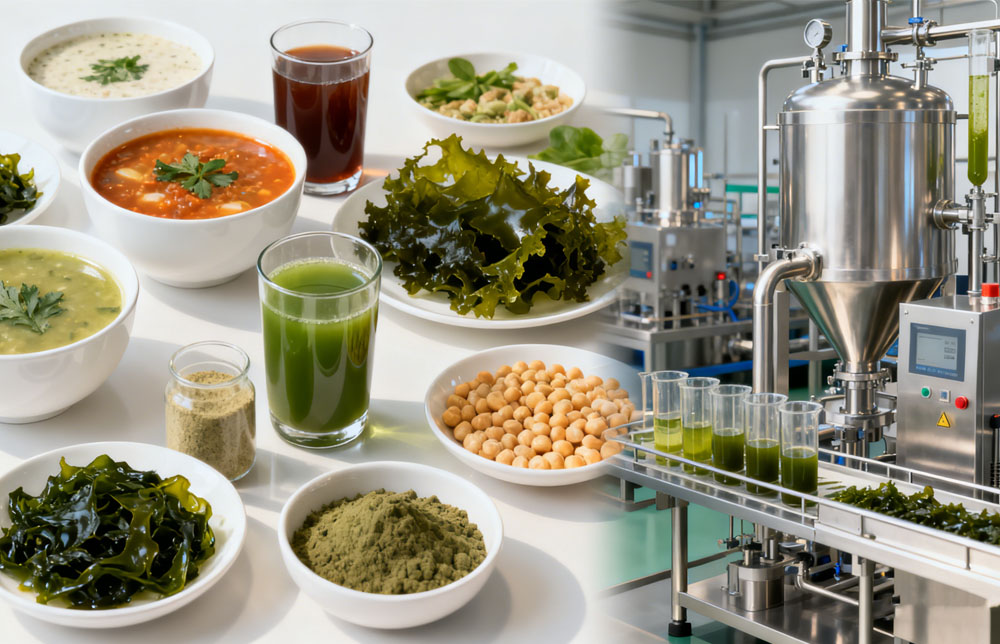
Seaweed, one of Earth’s oldest life forms, has become a cornerstone of modern sustainable development. Found along coastlines worldwide, it absorbs carbon dioxide, maintains marine biodiversity, and provides a renewable source of valuable compounds.
Processed into seaweed extracts, seaweed contains a rich reservoir of bioactive compounds for use in food, cosmetics, pharmaceuticals, and agriculture.
With the growing demand for natural, environmentally friendly materials, a question arises: how can these fragile marine compounds be extracted efficiently and safely while preserving their benefits? Centrifugal separation technology has emerged as a viable and sustainable bioprocessing tool.
What Makes Seaweed Extract Special?
Seaweed extract contains a rich mix of polysaccharides, proteins, amino acids, vitamins, and minerals. These compounds contribute to its antioxidant, moisturizing, and immune-boosting properties.
Different species of seaweed provide distinct benefits:
- Brown algae (such as kelp) contain alginates and fucoidan, known for anti-inflammatory and skincare applications.
- Red algae produce carrageenan, widely used as a stabilizer and thickener in food.
- Green algae yield chlorophyll and nutrients that support plant and human health.
The challenge lies in isolating these valuable substances from the raw, fibrous material of seaweed without degrading them. Traditional extraction methods, like filtration or chemical precipitation, can be slow and inefficient. Centrifugal separation provides a cleaner and faster way to obtain high-quality extracts while reducing waste and energy consumption.
How Centrifugal Separation Works?
Centrifugal separation uses the principle of density difference. When a seaweed slurry is spun at high speed, heavier solid particles move outward, while lighter liquid components — such as the nutrient-rich extract — remain near the center. The clarified liquid is collected, and the solids are discharged automatically or periodically.
This process offers several key advantages:
- Continuous operation: Enables large-scale production with minimal downtime.
- Gentle treatment: Protects delicate bioactive molecules from heat and oxidation.
- Efficient purification: Removes sand, salt, and fibrous residues effectively.
- Reduced resource use: Minimizes the need for filters, chemicals, and large amounts of water.
By using the right type of centrifuge — such as a disk separator, decanter centrifuge, or tubular centrifuge — processors can adapt the system to different stages of seaweed extract production, from clarification to concentration.
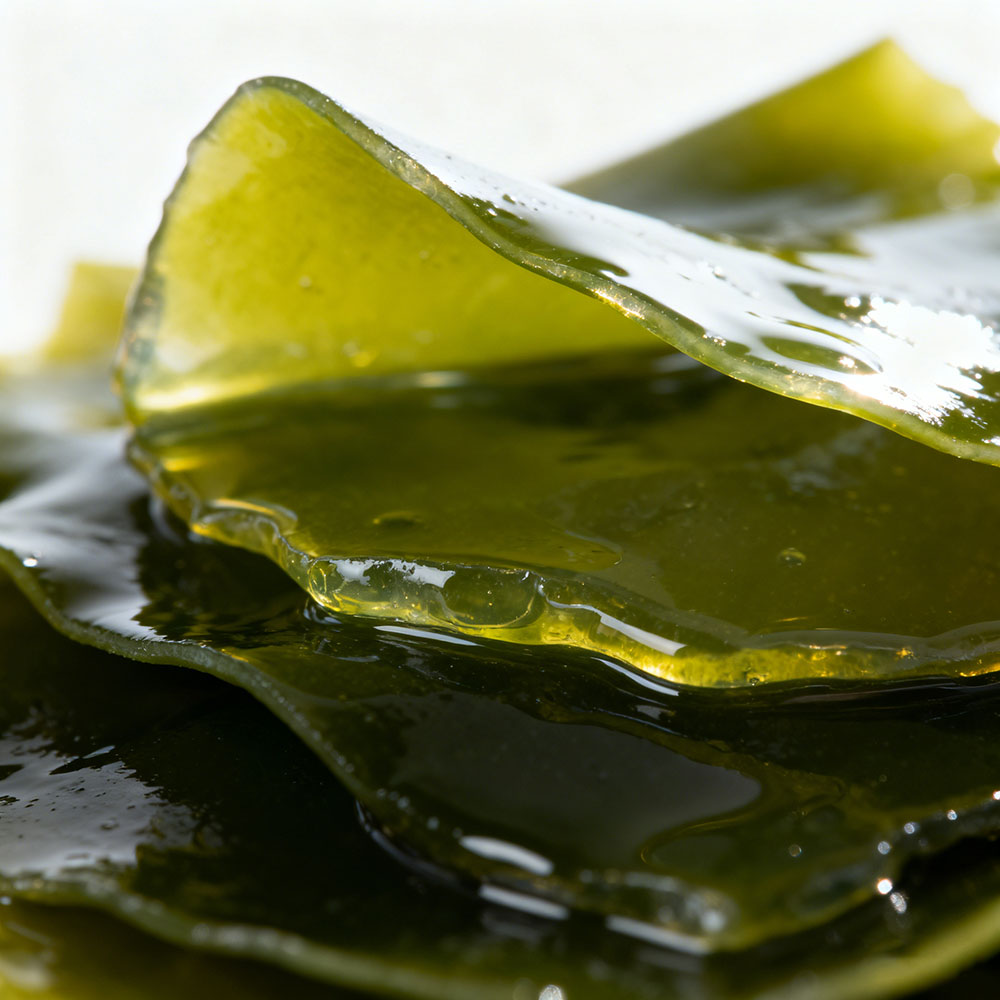
Step-by-Step: Transforming Seaweed into Extract
Harvesting and Pre-Treatment
Seaweed is washed to remove sand and salt, then cut or crushed into smaller pieces.
Extraction
Warm water or an alkaline solution is used to dissolve bioactive compounds.
Separation
The mixture is processed by a centrifuge to separate solids from the extract.
Concentration and Purification
Additional separation or evaporation steps may be applied to increase concentration.
Drying and Packaging
The final liquid or powdered seaweed extract is stabilized for storage and distribution.
Each step must be carefully controlled to maintain the extract’s nutritional and functional properties. Centrifugal separation plays a crucial role in ensuring purity and efficiency throughout this process.
Applications Across Multiple Industries
1. Agriculture
Seaweed extract is increasingly used as a natural biostimulant. It enhances plant growth, root development, and resistance to environmental stress. When purified through centrifugal separation, the resulting solution is cleaner and easier to apply through irrigation or spraying systems, reducing the risk of clogging.
2. Food and Beverages
The food industry uses seaweed extract for both nutrition and texture. Carrageenan and alginates, derived from seaweed, act as stabilizers in dairy products, plant-based alternatives, and beverages. Consistent separation ensures uniform viscosity and appearance in the final product.
3. Cosmetics and Personal Care
In skincare, seaweed extract serves as a natural moisturizer and antioxidant. Clean, well-clarified extracts help cosmetic formulators create stable emulsions without unwanted residues or odors. Centrifugal separation enables this clarity while maintaining the extract’s natural color and nutrients.
4. Pharmaceuticals and Nutraceuticals
Certain seaweed compounds are used in wound dressings, capsules, and immune-support supplements. Producing medical-grade extracts requires high purity, achieved through precise separation and minimal contamination risk.
Sustainability and Efficiency
One of the main advantages of centrifugal separation is its alignment with sustainability goals.
The process:
- Consumes less water compared to traditional filtration.
- Produces less solid waste.
- Requires lower energy for drying and post-processing.
- Operates in closed systems that reduce environmental exposure.
These characteristics make it ideal for eco-friendly industries seeking to balance productivity with environmental responsibility.
Economic and Quality Benefits
Investing in efficient separation equipment benefits not only the environment but also the bottom line.
- Shorter processing time means higher throughput.
- Improved product consistency leads to fewer rejected batches.
- Lower maintenance needs reduce downtime and operating costs.
Over time, these advantages can significantly increase production yield and ensure that seaweed extract meets international standards for food, cosmetic, and pharmaceutical use.
The Broader Impact of Seaweed Processing
Beyond its direct applications, seaweed extract represents a shift toward sustainable industry practices. Seaweed cultivation requires no freshwater, fertilizers, or arable land — and even helps absorb excess nutrients from coastal waters. By refining this renewable biomass into valuable products, processors contribute to a circular economy that benefits both people and the planet.
Centrifugal separation plays a quiet but vital role in this transformation, helping bridge the gap between marine ecosystems and modern technology.
A Glimpse Into the Future
As global interest in blue biotechnology grows, more research is focusing on seaweed-based proteins, biodegradable materials, and renewable fuels. Efficient extraction and purification technologies will be key to scaling these innovations responsibly.
Future centrifuge systems may integrate AI-based monitoring to optimize performance in real time or use energy-recovery systems to further lower carbon emissions. Such developments will continue to make marine resource processing cleaner and more sustainable.
Conclusion
Seaweed extracts are a renewable source of bioactive compounds with enormous potential across multiple industries. Their successful production relies on precise and efficient processing, and centrifugal separation offers significant technical and environmental advantages.
Through continuous innovation and responsible engineering, this technology supports a world where natural resources are wisely used, products are sustainably produced, and ocean resources benefit everyone, creating a healthier future.
--- END ---