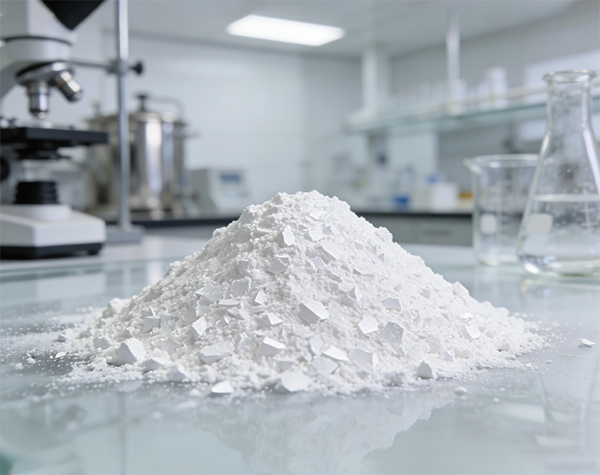
Cellulose

Advanced Centrifugal Solutions for Cellulose and Chemical Processing

Cellulose, an abundant and renewable plant-based biopolymer, is a key feedstock in many modern industrial processes. Whether used in the production of paper, cellulose derivatives, bioethanol, viscose fibers, or specialty filter media, efficient cellulose processing typically involves handling suspensions, pulps, paper pulp, or liquid-solid mixtures. This is why advanced separation technologies are crucial.

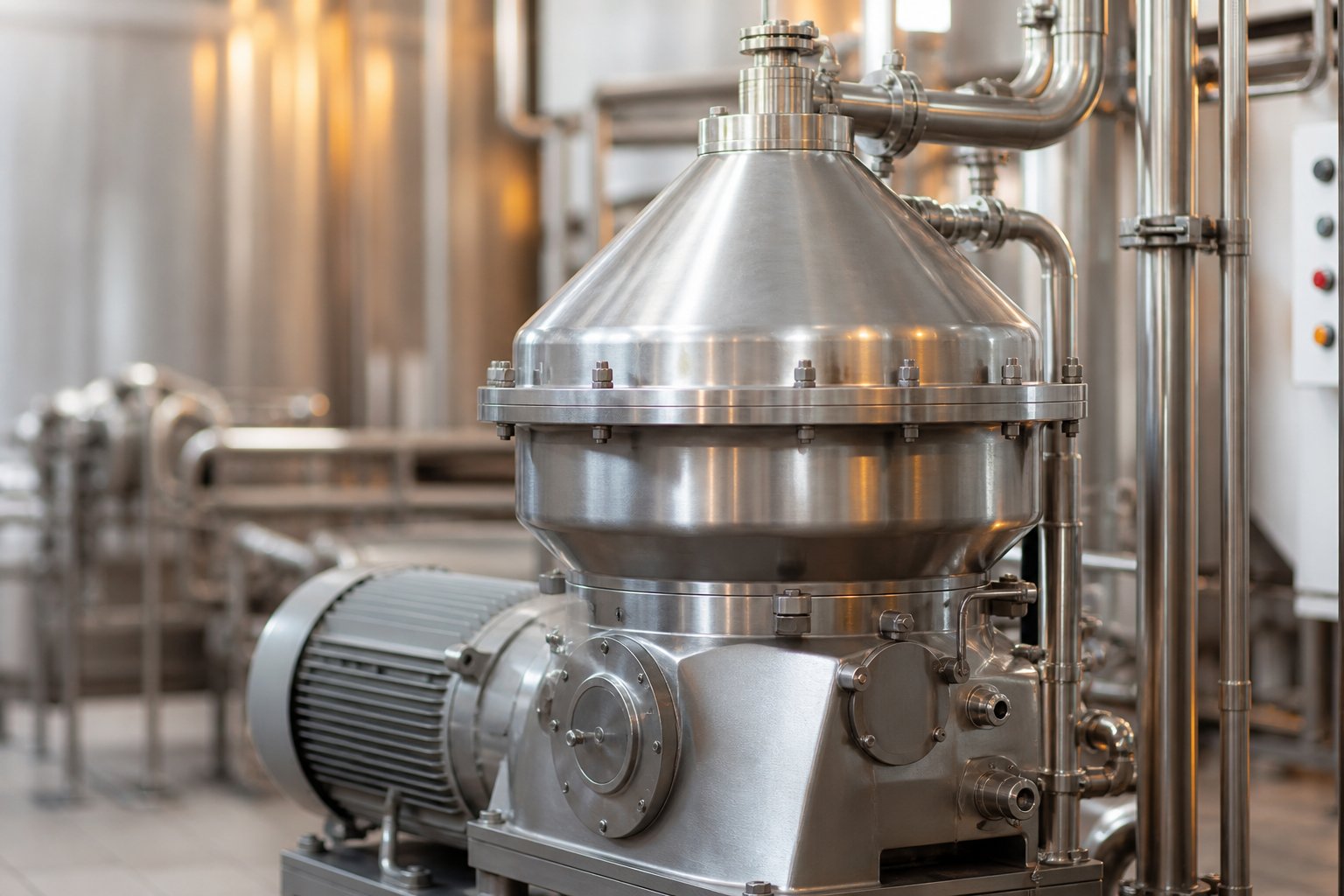
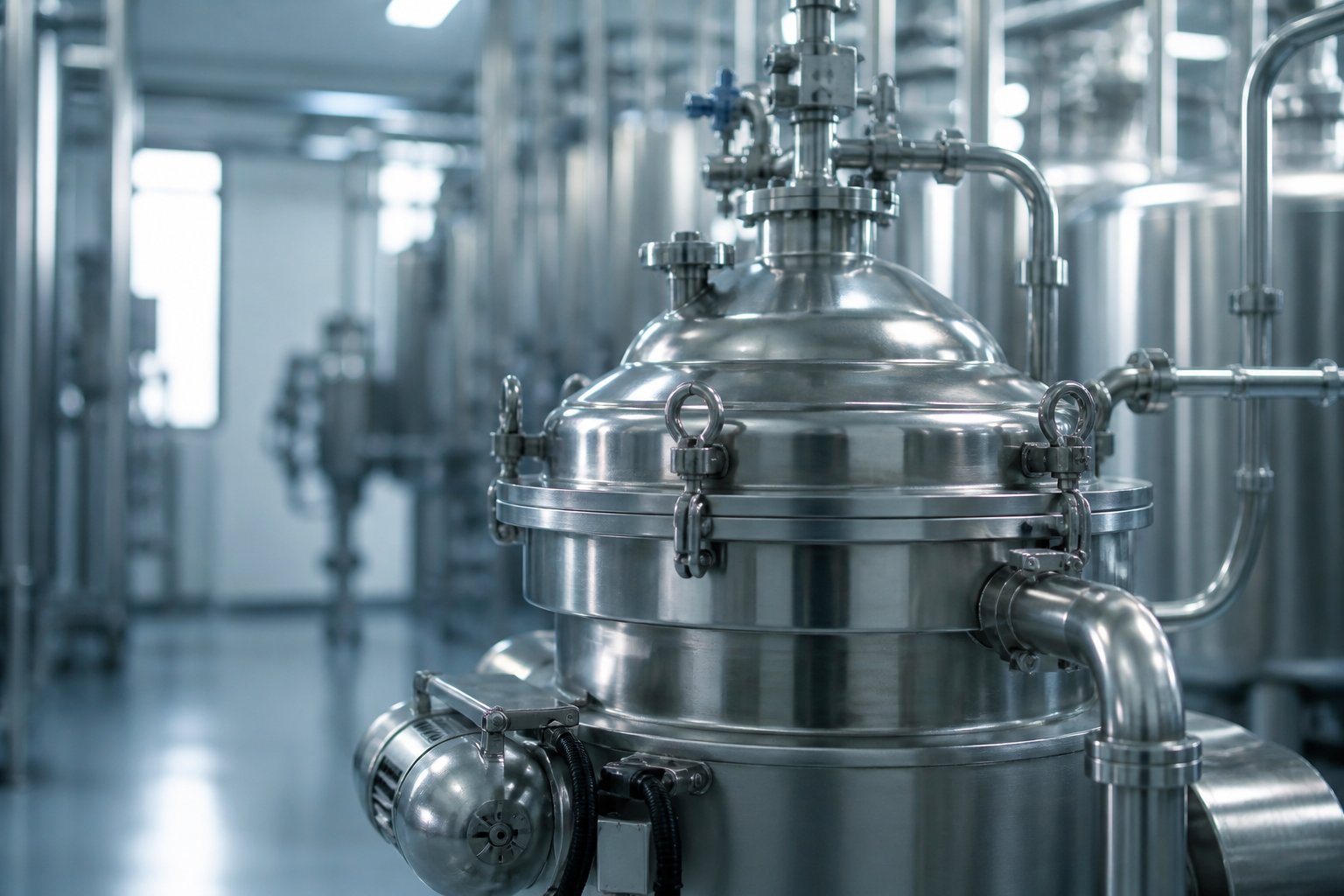
Since its founding in 1954, Huading Separator has been dedicated to the research and development and production of precision centrifugal machinery, providing reliable solutions for cellulose processing. In applications involving cellulose or cellulose derivatives, high-performance Decanter centrifuges, disc separators, and separation systems ensure high clarity, efficient dehydration, and cost-effective purification.

Centrifugal Technology for Cellulose and Derivative Flows

Various centrifugal devices are used in cellulose processing, each designed to address specific challenges in the workflow. This section introduces machinery suitable for a wide range of cellulose-related applications, including disc separators, decanter centrifuges, tubular centrifuges, multi-plate screw presses, and filtration units.

Decanter Centrifuges for Solid-Liquid Separation

Decanter centrifuges are essential for processing high-solids-content cellulose pulp. They efficiently dewater and concentrate pulp streams, separating cellulose fibers and particles from the process liquid. For multiphase applications, Decanter centrifuges enable continuous, high-capacity separation. When configured as a three-phase decanterย centrifuge, this technology can also simultaneously separate two liquids and solids, making it particularly useful in the production of cellulose derivatives containing solvents and washing liquids.

Disc Separators for Fine Clarification

Disc separators are ideal for clarification operations requiring extremely high centrifugal forces. In cellulose derivative production, disc separators achieve clarity unattainable by filtration alone when removing fine particles or dissolved components. This is especially important for processes involving cellulose acetate, nanocellulose, or chemically dissolved cellulose solutions, as these solutions often contain impurities that must be removed to ensure the purity and stability of the product.

Multi-Phase Separation for Chemical Cellulose Processes

In chemical workflows where cellulose interacts with organic solvents, aqueous phases, and suspended solids, a three-phase separator provides precise, simultaneous separation of all components. This capability improves solvent recovery, reduces waste generation, and enables continuous processingโ€”all of which are critical for efficient viscose and cellulose derivative production.

Filtration and Screw Press Solutions

After primary separation, additional dewatering or sludge reduction may be required. Multi-plate screw presses support operations that handle cellulose-rich sludge or fibrous wastewater. These systems ensure high dryness levels with low energy consumption, helping facilities reduce waste volumes and improve environmental compliance.

Why Advanced Separation Systems Matter for Cellulose Processing?

Cellulose behaves uniquely in industrial environments. Its fibrous structure, varying particle sizes, tendency to form viscous slurries, and interaction with chemicals make it one of the most challenging materials to separate effectively.

Integrating the right centrifugal technology:

  • Improves process efficiency
  • Enhances product clarity and consistency
  • Protects downstream equipment
  • Reduces chemical and water usage
  • Lowers waste and environmental impact
  • Supports continuous, cost-effective manufacturing

For operations focused on cellulose extraction, modification, regeneration, or residue management, these benefits translate directly into higher performance and profitability.

High-Performance Solutions for Chemical Industry Challenges

Cellulose processing in chemical production environments requires equipment capable of handling corrosive chemicals, solvent-rich mixtures, and continuous high-throughput operation.

Huading Separator addresses these challenges by:

  • Utilizing corrosion-resistant materials suitable for alkaline, acidic, or high-solvent environments
  • High-speed operation for fine clarification and multiphase separation
  • Continuous discharge mechanism ensuring uninterrupted industrial workflow
  • Engineering tailored to specific cellulose or chemical processes
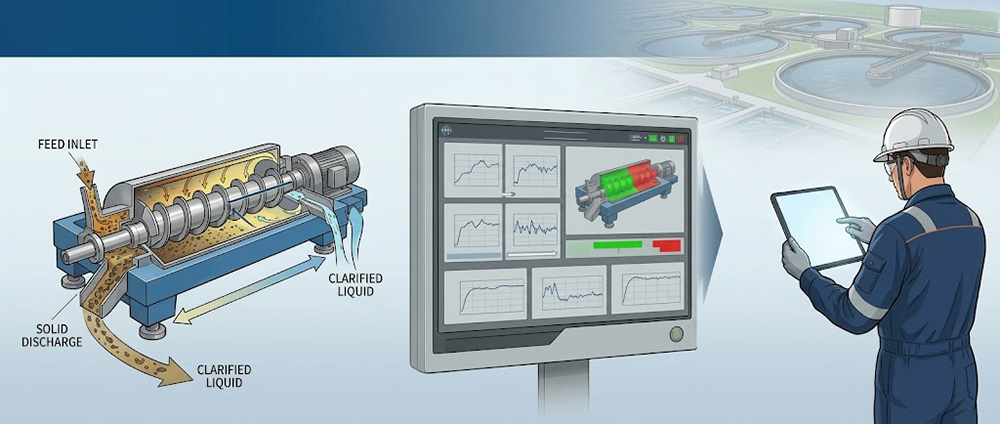
  • Automated and control systems that monitor torque, vibration, feed rate, and temperature to ensure stable operation
  • Reliable after-sales service and full lifecycle support to maintain equipment performance and minimize downtime
Huading Separator addresses these challenges

These features ensure predictable, high-quality results in pulp processing, derivative manufacturing, solvent recovery, or wastewater treatment.

Huading Centrifuges: Practical Applications in Cellulose Processing

The following case studies demonstrate the superior performance of our centrifuge solutions in cellulose or cellulose derivative processing:

Viscose or Cellulose Acetate Production: The pulp contains cellulose fibers, chemicals, and sometimes solvents. Huadingย Separator’s three-phase separators can separate cellulose solids, aqueous wash liquid, and solvent in a single pass.

Plant-Based Cellulose Extraction for Speciality Fibres:ย Suppose a plant extraction plant is processing agricultural waste to produce microfibrillated cellulose. The first step might involve pulp dewatering (via a separator), followed by solvent/water clarification of the extracted filtrate (via a disc separator). Huadingย Separator’s equipment supports both steps, typically in a skid-mounted, compact system.

Cellulose-Rich Wastewater or Sludge Dewatering:ย After pulp and paper mills or the production of cellulose-based products, you may generate wastewater rich in fibers or fine powder. Huadingย Separator’s Decanterย centrifuges, designed specifically for environmentally friendly technologies, are designed for this purpose.

Purification of cellulose derivatives:ย For example, cellulose dissolved or partially hydrolyzed into derivatives may require very fine removal of impurities. In this case, disc separators can provide extremely high centrifugal force and fine clarification.

Why Choose Huading Separator for Your Cellulose Project?

When your process involves cellulose or its derivatives, whether in extraction, purification, dehydration, or wastewater treatment, here’s whyย Huading Separatorย stands out:

Decades of Experience:ย Founded in 1954, the company boasts over 70 years of experience in centrifugal separation technology.

Extensive Industry Coverage:ย Our equipment is widely used in the food, beverage, pharmaceutical, chemical, energy, mining, and environmental industries.

Customized Solutions:ย In addition to standard equipment, Huading Separatorย can customize systems for specific separation tasks, including the recovery of cellulose, latex, cellulose acetate, and other polymers.

High Precision, High Performance:ย Its advertised “filtration accuracy up to 0.1 microns” highlights its fine clarification capabilities.

Comprehensive Support:ย From equipment selection and factory acceptance testingย to post-installation training and service, Huading Separatorย ensures your centrifuge equipment remains in optimal condition throughout its entire lifecycle.

about

Conclusion

Cellulose plays a vital role in numerous chemical processes, from traditional pulp processing to the production of advanced derivatives. With the ever-growing demand for sustainable bio-based materials, the need for efficient and reliable cellulose processing is unprecedented.

Modern separation technologies, including Decanter centrifuges, disc separators, three-phase separationย systems, and screw presses, offer the performance needed to meet these challenges. They contribute to cleaner operations, higher product purity, and more efficient resource utilization, thereby helping plants achieve consistent, high-quality results throughout the cellulose processing flow.

Seaweed Extract

Centrifugal Separation: Precision Processing for Functional Foods

Seaweed extract has become a sought-after ingredient in the food industry, valued for its natural thickening, gelling, and nutritional properties. Found in soups, beverages, plant-based foods, and dietary supplements, it offers a sustainable alternative to synthetic additives.

To meet the growing global demand, processors require efficient, sanitary, and precise equipment that can handle high-viscosity materials while preserving delicate bioactive compounds.

Modern centrifugal separation systems provide the key technology for transforming raw marine biomass into clean, high-quality extracts suitable for human consumption.

The Role of Separation in Seaweed Extract Production

Producing food-grade seaweed extract begins with washing and milling the seaweed, followed by extraction using hot water or mild alkaline solutions. The resulting slurry contains fine solids, fibers, and impurities that must be removed without damaging valuable polysaccharides such as alginates and carrageenan.

Separation in Seaweed Extract Production

Here, centrifugal separators and decanters play a central role. They use controlled rotational speed to create strong centrifugal forces that efficiently separate liquids from solids. This ensures a clear extract with uniform texture, consistent color, and stable composition โ€” essential qualities for food processing.

Products for Seaweed Extract Processing

1. Extraction Decanter

The Extraction Decanter is specifically designed for liquid-liquid and solid-liquid extraction where a high solids content is present โ€” conditions typical in seaweed processing.

  • Continuous operation: Allows large-scale production with minimal manual handling.
  • Adjustable differential speed: Enables optimal control of solid dryness and liquid clarity.
  • Energy efficiency: Designed for reduced power consumption, aligning with sustainable manufacturing goals.

This equipment separates insoluble fibers and sand from the extract stream while maintaining gentle processing to preserve bioactive compounds.

2. GF Tubular Centrifuge

The GF Tubular Centrifuge handles the fine clarification stage, where very small particles or emulsions must be removed.

  • High rotational speed: Produces strong centrifugal force for sub-micron precision.
  • Compact design: Ideal for viscous seaweed extracts or final polishing steps.
  • Easy cleaning and low residue: Supports food-grade sanitation standards.

This stage is crucial for producing the bright, stable liquid required in high-value food applications like beverages and natural thickeners.

3. Self-Cleaning Disk Separator

In continuous processing lines, the Self-Cleaning Disk Separator offers automatic solids discharge and constant throughput.

  • Hygienic construction: Stainless-steel contact parts and steam-sterilizable options.
  • Automatic sludge removal: Reduces downtime and labor costs.
  • Precise speed control: Ensures consistent separation quality despite fluctuations in feed concentration.

This model is widely used in food plants where uninterrupted operation and product consistency are priorities.

4. Horizontal Pressure Leaf Filter

For final clarification or decolourisation, the Horizontal Pressure Leaf Filter can be integrated downstream.

  • Large filtration area in a small footprint
  • Low cake moisture content
  • Ease of maintenance and discharge

When combined with centrifugal stages, it delivers a high-purity extract ready for drying or blending.

Advantages in Seaweed Extract Processing

Centrifugal systems provide multiple advantages over traditional filtration or sedimentation methods:

Aspect Centrifugal Separation Conventional Methods
Separation Speed Seconds to minutes Hours
Product Purity High; up to 0.1 ฮผm clarification Limited by filter clogging
Energy Use Moderate, continuous High for batch processing
Labor Automated, low maintenance Manual intervention required
Hygiene Closed, CIP-ready systems Open handling and contamination risk

These improvements translate into higher yields, more stable product quality, and a cleaner, safer production environment.

Consistency and Hygiene in Food Applications

Processing seaweed extract for food use demands strict hygiene and consistency.

The separators and decanters used in this field feature

The separators and decanters used in this field feature:

  • Food-grade stainless steel construction (AISI 316L)
  • Smooth surface finishing for easy cleaning
  • Steam-sterilizable options for aseptic production
  • Automatic control of feed flow, bowl speed, and discharge

Together, these design choices ensure compliance with HACCP and international food safety standards while maintaining the extractโ€™s natural qualities.

Application Examples

Carrageenan Production:ย After alkaline extraction, decanters and disk separators remove fibrous residue and clarify the solution before drying into powder.

Alginates for Food Thickening:ย Decanters help remove insoluble matter, and tubular centrifuges polish the final extract for transparent liquid concentrates.

Functional Beverages:ย High-speed tubular centrifuges deliver fine clarification to prevent sedimentation and maintain visual appeal.

Nutritional Supplements:ย Precise separation preserves antioxidants and polysaccharides used in capsules or liquid tonics.

Energy Efficiency and Process Optimization

Modern centrifugal separators incorporate inverter-controlled drives and programmable logic control (PLC) systems for optimized energy use. Automatic adjustments in bowl speed and feed rate minimize power consumption and waste generation. Heat recovery and sealed systems reduce water requirements โ€” key considerations for eco-friendly seaweed processing facilities.

Integration with Other Equipment

Centrifugal separation often forms part of a broader process line that may include:

  • Mixers and centrifugal pumps for uniform feed preparation.
  • Pressure leaf filters for polishing.
  • Multi-plate screw presses for solids dewatering.

Each component is designed to integrate seamlessly, ensuring a continuous flow from extraction to finished product.

Improving Quality, Reducing Waste

By achieving precise separation, processors can recover a greater proportion of soluble nutrients and reduce solid waste volumes. The remaining solids can be reused for fertilizer or animal feed, contributing to a circular production model. Clearer, more concentrated extracts also reduce the need for secondary filtration or chemical refining, lowering production costs and environmental impact.

Conclusion

Seaweed extract continues to shape the future of functional foods, offering natural texture, nutrition, and sustainability. Efficient separation technology ensures that every stage of production โ€” from slurry clarification to final concentration โ€” meets the highest standards of purity and safety.

Through careful application of extraction decanters, tubular centrifuges, and self-cleaning disk separators, food processors can produce consistent, high-value seaweed extracts that support a growing market for clean-label ingredients and environmentally responsible manufacturing.

Concentrating Cream

Why Concentrate Cream?

Concentrating cream offers numerous advantages, including:

  • Increasing the fat content of products such as butter, spreads, and specialty creams.
  • Removing excess liquid, reducing processing and storage costs.
  • Increasing product consistency, resulting in a more stable final product.

Our Separator Solutions

Our separators are specifically designed to meet the specific needs of cream concentration. Utilizing disc centrifugation technology, they efficiently separate cream and minimize residual liquid.

Our equipment is constructed from food-grade stainless steel, ensuring durability, hygiene, and ease of cleaning, meeting the highest food safety standards. Whether you are producing on a small or large scale, we offer scalable solutions to help you maximize production efficiency and minimize downtime.

Key Advantages

  • Efficient phase separation ensures concentrated cream and minimizes waste.
  • Low-maintenance design reduces maintenance time and operating costs.
  • Made with hygienic and food-safe materials, meeting stringent safety standards.
  • Automatic operation is available, with options for continuous or intermittent processing, facilitating integration into existing production lines.


Applications of Concentrated Cream

  • Dairy Processing: Skim milk and concentrated cream for the production of butter or whipped cream.
  • High-Fat Cream Stream: Ideal for the production of specialty creams and other high-fat dairy products.
  • Upstream Processing: Concentrated cream before packaging or further processing.


Applications of Concentrated Cream

Meet Your Cream Concentration Needs with Huading

With years of experience in dairy technology, Huading provides reliable and innovative cream concentration and separation equipment. Our separators are high-performance, durable, and easy to use. Contact us today for more information or to request a customized solution for your cream processing needs.

Specialty & fine chemicals

The specialty and fine chemicals industry produces a wide range of chemicals with unique formulas and specifications. These chemicals are used in many different fields, from complex intermediates in manufacturing to high-end final products.

Specialty chemicals include products like pharmaceutical intermediates, agrochemicals, flavors, fragrances, and performance chemicals used in coatings, adhesives, and additives.

On the other hand, fine chemicals are produced in smaller quantities with higher purity and precision. Examples include high-purity electronic chemicals, cosmetic ingredients, and fine pigments for paints and coatings.

These chemicals require careful process control to ensure they meet the desired quality and functionality. Because there are so many different applications, no two solutions are exactly the same. Each requires expertise in chemistry, engineering, and technology to create the best process solution.

CLARIFYING DECANTER

Challenges in Speciality & Fine Chemicals

Strict Regulatory Compliance

Global regulations on chemical production and distribution are becoming stricter, especially in markets like the EU and the US. For instance, the EU REACH regulation requires manufacturers to provide detailed safety information on products, including environmental and health impact assessments. Similarly, in the US, the Clean Air Act and Clean Water Act set strict limits on emissions and wastewater discharge. Companies must adapt to these changing regulations, which can increase compliance costs, delay product launches, and require constant monitoring to avoid penalties.

Supply Chain Vulnerability

Global disruptions, such as the COVID-19 pandemic, geopolitical tensions, and natural disasters (e.g., hurricanes, earthquakes), have impacted supply chains. It is leading to higher raw material costs and logistical uncertainties. For example, the Suez Canal blockage in 2021 caused major delays in delivering essential raw materials, affecting production schedules. These disruptions increase costs, limit availability, and create inventory shortages.

Product Quality and Consistency

As industries such as pharmaceuticals, electronics, and cosmetics demand higher-quality products, ensuring purity, uniformity, and functionality becomes increasingly important. ย In pharmaceuticals, even small impurities in active pharmaceutical ingredients (APIs) can reduce efficacy or compromise safety. In electronics, high-purity chemicals are necessary to meet the exact standards required for semiconductor manufacturing. Meeting these demands pushes companies to adopt advanced production methods, such as automated systems and real-time quality monitoring, to ensure consistent quality.

Sustainability Pressures

There is growing demand for green chemistry and eco-friendly processes. Consumers and regulators now expect more sustainable practices. For example, companies are shifting from toxic chemicals to safer, biodegradable alternatives. The green chemistry movement focuses on designing products and processes that minimize or eliminate the use of hazardous substances. In the agrochemical industry, this has led to the development of biodegradable pesticides and a reduction in environmental impact. Companies must invest in clean technologies and process optimization to lower waste, energy use, and carbon emissions.

EXTRACTION DECANTER

Tailored Solutions for Uniqueย Processing

Huading delivers energy-efficient solutions meticulously crafted to tackle the unique challenges of the speciality and fine chemicals sector. Our innovative technology prioritises superior efficiency, high purity, and sustainable practices throughout every stage of chemical processing.

1. Separation

Our disc stack separatorsย andย decanter centrifugesย use centrifugal force for continuous, efficient solid-liquid separation, handling high concentrations and fine particles with ease. These systems ensure high separation efficiency, producing clean, high-quality products.

Example Application:

In pharmaceutical production, our separators remove solids from suspensions, producing clearer liquids with minimal impurities. This reduces the need for extra filtration and boosts throughput. In specialty chemical manufacturing, such as high-purity electronic chemicals, our separators efficiently remove impurities, ensuring compliance with strict purity standards.

2. Filtration

Filtration removes fine particles from chemical solutions to achieve the desired purity. Huading Separator offers a range of pressure leaf filters, bag filters, and membrane filters designed for high-pressure and high-viscosity slurries, ensuring that the final product meets high-quality standards.

3. Evaporation

Evaporation is commonly used for concentrating chemical solutions and recovering valuable solvents. Our evaporators are designed to provide efficient, energy-saving solutions, reducing operational costs while maintaining high product quality. These systems are ideal for solvent recovery and concentration applications in specialty chemicals.

4. Distillation & Rectification

Distillation purifies chemicals and separates components based on their boiling points. Our distillation and rectification systems provide precise separation, ensuring the production of high-purity chemicals and the recovery of valuable by-products.

Example Application:

In chemical manufacturing, our evaporators optimise the recovery of solvents, such as acetone and toluene, used in the production of paints and coatings. By recovering these solvents, manufacturers can lower waste production, reduce costs, and enhance yield. In biochemical processes, our evaporators are used for concentrating enzymes and proteins for more efficient manufacturing.

Example Application:

In fine chemicals production, our distillation systems are used to purify solvents like ethanol or methanol and remove residual impurities. These systems are critical in pharmaceutical manufacturing, where high-purity solvents are needed for active ingredient synthesis. Additionally, in flavor and fragrance production, our rectification systems ensure the separation of aromatic compounds to achieve desired purity and fragrance intensity.

5. Homogenization

Homogenization ensures uniformity in emulsions, suspensions, and other chemical mixtures. Our homogenisers provide a consistent particle size distribution.

6. Melt Crystallisation

Melt crystallisation is a crucial process for purifying heat-sensitive materials by separating components based on melting points. Huading offers advanced melt crystallisation units that ensure minimal thermal degradation while achieving high product purity.

Example Application:

In cosmetic manufacturing, our homogenisers ensure uniform consistency in lotions, creams, and emulsions. This enhances the stability and texture of products, preventing phase separation and improving the overall quality. In pharmaceuticals, homogenisers are used to ensure uniform dispersion of active ingredients in ointments, gels, and suspensions.

Example Application:

In pharmaceutical production, our crystallizers purify active pharmaceutical ingredients (APIs), ensuring that they meet the stringent purity requirements necessary for effective treatment. Similarly, in the food and beverage industry, melt crystallisation is used for purifying sugars and flavours, ensuring that they are of the highest quality and free from contaminants.

7. Drying & Particle Processing

Huading offers a full range of industrial drying systems, including spray dryers and vacuum dryers. These systems are designed to dry powders, granules, sludges, and slurries, ensuring optimal moisture content and particle size for further processing.

8. Exhaust Gas Cleaning

Our exhaust gas cleaning systems remove volatile organic compounds (VOCs) and particulate matter from industrial emissions, ensuring compliance with environmental regulations.

Example Application:

In fertilizer production, our drying systems ensure that potash, phosphate, and other agricultural chemicals have consistent moisture content and the correct particle size. In pharmaceuticals, our spray dryers are used to dry active ingredients for tablet production, ensuring they are free from excess moisture, which could affect their stability and effectiveness.

Example Application:

In polymer production, our exhaust gas cleaning systems prevent harmful emissions from escaping into the atmosphere. By removing VOCs and other pollutants, our systems help companies comply with stringent air quality standards. Similarly, in chemical manufacturing, our technology is used to reduce harmful emissions from processes such as solvent recovery and polymerisation, ensuring that production is not only efficient but also environmentally responsible.

Why Choose Us?

  • Proven Expertise: Over 70 years of reliable, high-performance separation technology.
  • Customisation: Tailored solutions for specific applications across industries.
  • Energy Efficiency: Designed to reduce operational costs through energy-saving technology.
  • Superior Quality: Ensures high purity and consistency in products.
  • Global Reach: Installed in over 70countries with comprehensive support services.
  • Sustainability: Focus on eco-friendly solutions and regulatory compliance.
  • Innovation: Continuous R&D for cutting-edge technology and solutions.
  • Comprehensive Solutions: Integrated systems for optimal efficiency and minimal downtime.


Need Help?

Weโ€™re always here to assist you! Just provide us with some details, and weโ€™ll respond to your inquiry as soon as possible.

Minerals & Inorganic Chemicals

The minerals and inorganic chemicals industries drive global industrial progress, with the demand for efficient and sustainable processes rapidly increasing. However, the industry faces numerous challenges, including high energy consumption, waste generation, low separation efficiency, and environmental concerns.

Basic chemicals such as salts, acids, and alkalis, which are extracted from the Earth or oceans, need to be purified before they can be used in industries, agriculture, or even on our tables.

Huading Separatorย solvesย these problems with advanced centrifugal separation technology. Our innovative products provide simple, effective solutions that improve processes, lower costs, and enhance product quality, while also promoting sustainability and responsible environmental practices.

Challenges

Inefficient Solid-Liquid Separation

Solid-liquid separation improves product purity and optimises recovery rates. Traditional methods, such as filtration or decanting, often fail to effectively manage high solid concentrations or small particle sizes.

These methods can be slow and require multiple stages to achieve the desired results, which increases processing time and reduces efficiency.

Furthermore, they often require frequent maintenance, leading to unscheduled downtime that disrupts production and decreases overall throughput. As a result, these outdated methods limit the ability to scale operations and raise costs, ultimately impacting production rates and profitability.

High Energy Consumption

The processes involved in mineral and chemical processing, especially in hydrometallurgical operations and pigment production, require a substantial amount of energy.

This dependence on high energy consumption leads to higher operational costs, which can negatively affect the financial sustainability of many operations.

With rising energy prices and growing pressure for industries to reduce their carbon emissions, these energy-intensive methods are becoming increasingly unfeasible.

Traditional equipment, which tends to be energy-inefficient, further compounds this issue. To stay competitive and cost-effective, industries must seek alternatives that reduce energy use while maintaining the necessary separation performance.

Environmental Impact and Waste Generation

The disposal of waste materials from mineral processing and chemical production has become a significant concern for the industry. Waste, such as solid residues and contaminated water, can lead to soil and water pollution, creating long-term environmental damage.

When not properly handled, these by-products contribute to ecosystem degradation and pose serious regulatory risks. Additionally, as environmental regulations continue to tighten, industries face increasing pressure to adopt more sustainable practices.

Waste generation remains a major challenge. Companies are looking for solutions that reduce waste production, improve the management of by-products, and minimize the overall environmental impact of their operations.

Challenges in Maintaining Product Purity and Quality

In sectors like pigment production, fertilizers, and semiconductors, maintaining high product purity and uniformity is a significant challenge.

Traditional separation techniques often fail to consistently meet the high standards required for these industries.

In pigment production, for example, achieving consistent color and particle size distribution can be difficult with older methods.

Similarly, industries dealing with high-purity metals and chemicals are under increasing pressure to deliver products that meet strict quality requirements.

DISC-DECANTER

How Huading Separator Solves These Challenges

We have developed a range of centrifugal separation equipment specifically designed to meet the challenges of the minerals and inorganic chemicals industries. Our advanced technology addresses the key issues of solid-liquid separation, energy efficiency, waste reduction, and quality control.

1. High Efficiency in Solid-Liquid Separation

Effective solid-liquid separation boosts product purity and recovery rates in mineral and chemical processing. Traditional methods struggle with high solids or fine particles, reducing efficiency.

Our disc stack separators and decanter centrifugesย use centrifugal force for continuous, efficient separation. In pigment production, they improve throughput and product quality with clearer liquids and fewer filtration steps.

For mineral processing and oil recovery, our centrifuges handle large slurry volumes, reducing downtime and optimising production. In potash extraction, essential for fertilisers, our technology enhances evaporation and crystallisation, ensuring efficient purification.

2. Energy Efficiency and Cost Savings

Energy use is a major issue in traditional separation methods, especially in hydrometallurgical processes and pigment production, leading to higher costs.

Our decanter centrifuges reduce energy consumption while maintaining high throughput, making the process more cost-effective.

In salt production, our centrifugal separators optimize evaporation and crystallization processes, improving energy efficiency and supporting industries that rely on salt.

3. Reduced Waste Generation and Environmental Impact

Environmental sustainability is a growing concern in mineral and inorganic chemical industries. Traditional methods generate waste that can harm the environment if not managed.

Our disc stack separators and decanter centrifuges cut down waste by efficiently separating solids, reducing sludge and by-products. In hydrometallurgical processing, our technology clarifies pregnant leach solutions (PLS) and removes impurities, reducing toxic waste.

In oil production, our centrifuges clean drilling mud and produced water, making the process more sustainable.

4. Superior Quality Control and Purity

Traditional methods often struggle to meet purity standards, leading to inconsistent product quality.

Our disc stack separators and decanter centrifuges ensure precise, consistent separation, maintaining high-quality products.

In pigment production, they produce high-purity pigments with optimal particle sizes, ensuring consistent color for coatings and paints.

5. Evaporation and Crystallisation Solutionsย Assistance

Huadingโ€™s centrifugal separation technology can help produce high-quality chemicals like sodium chloride (salt), potassium chloride (potash), and sodium sulfate in the Evaporation and Crystallisation process.

6. Drying Solutionsย Assistance

Huadingโ€™s dewateringย systems are designed to dewaterย particles, cakes, powders, sludges, and slurries efficiently. They work with liquid, suspended crystal, or solid feeds, ensuring the right moisture content for further processing in chemical, pharmaceutical, and agricultural applications.

Advantages of Huading Separator Products

  • Proven Expertise and Reliability: With 70+ years of experience, Huading Separator provides reliable, durable, high-performance products that meet the challenges of the minerals and inorganic chemicals industries.
  • Customisation for Specific Applications: We offer tailored centrifugal separation solutions for a variety of applications, from pigment processing to metal extraction and wastewater treatment.
  • Global Reach and Support: Installed in over 70countries, we provide full support, from consultation to installation and after-sales service.
  • Compliance with International Standards: Our equipment meets the highest international standards for quality, safety, and environmental regulations.
Self-cleaning Disk Separator In Steam-sterilizable Design

Want More Details for Your Application?

Weโ€™d be happy to connect with you and answer any specific questions you have about treating your inorganic salt production processes. Whether you’re dealing with salt purification, crystallisation, or any other related challenge, our experts can help you find the right solution. Contact us for a consultation or to receive a quote tailored to your needs.

Biochemical Processing

Biochemicals, chemicals produced through biological processes, are becoming increasingly important as industries shift towards renewable resources. Many such products are made via fermentation or bioconversion, followed by complex separation and purification steps.

Typical biochemicals include organic acids, like citric and lactic acid, amino acids, enzymes, polysaccharide thickeners, yeasts and yeast extracts. Producing these compounds efficiently requires careful downstream processing to isolate and purify the target molecules from fermentation broths and biomass.

Huading Separator provides advanced centrifugal separation solutions designed to meet the unique challenges of biochemical production โ€“ from biomass removal and product extraction to purification and concentration.

How Centrifuges Support Biochemical Production

How Centrifuges Support Biochemical Production

Modern centrifuges improve the downstream processing of biochemicals, ensuring high product yields and purity while improving process efficiency. By leveraging high rotational speeds and optimized designs, centrifuges can handle the diverse separation tasks in biochemical manufacturing, all while maintaining product quality and meeting industrial standards.

Biomass Separation and Clarification

Fermentation broth clarification is the first critical step after fermentation. Here, centrifuges separate microbial cells and other suspended solids from the liquid culture medium.

High-speed disc stack separators or decanter centrifuges efficiently remove the bacteria, yeasts, or fungi from the broth, isolating the valuable product that is typically dissolved in the liquid phase. This ensures minimal loss of target compounds and yields a clarified solution for further processing.

In many cases, the centrifuge concentrates the cells into a dense slurry while producing a cell-free liquor that contains the biochemical product. For example, in an enzyme fermentation, a disc separator can rapidly clarify the broth to separate spent cells from the extracellular enzyme solution.

If extremely high clarity is required, a secondary polishing step using a tubular centrifugeย or a filtration unit can remove any fine residual haze.

Biomass Separation and Clarification

Purification and Extraction


Application Type Description Equipment Used Benefits
Liquid-Liquid Extraction Separation of biochemical products (e.g., organic acids, antibiotics) from broth using solvents Disc stack centrifuges configured for liquid-liquid separation Fast phase separation, reduced solvent use, improved yield
Solid-Liquid Purification Product recovery after precipitation or crystallisation (e.g., acid salts, protein aggregates) Decanter centrifuges, mixers, and pumps Efficient product isolation, impurity removal, and batch consistency
Broth Conditioning Mixing of reagents (e.g., lime, pH adjusters) before separation Multi-purpose mixers and centrifugal pumps Enhances reaction uniformity and extraction efficiency
Polishing and Final Purity Final cleanup of product stream (removing haze, fine debris) Tubular centrifuges, pressure leaf filters Achieves high clarity, compatible with downstream refinement


Centrifuges are also often used in combination with filtration and membrane systems to achieve required purity levels. Their ability to handle liquid-liquid, solid-liquid, and solid-liquid-liquidย separation makes them essential for biochemical purification.

Concentration and Product Recovery

In the final stage, centrifuges help concentrate products by removing water or excess liquid. This improves processing efficiency and reduces the load on drying or evaporation systems.

  • Dewaters solid products like crystals or biomass (e.g., amino acids, organic acids)
  • Thickens slurries of bio-based polymers before drying
  • Available in scales from lab to industrial production

By maximizing yield and minimizing waste, centrifugal concentration ensures products are recovered in a form ready for packaging or further refinement.

Concentration and Product Recovery

Applications in Biochemical Production

Centrifugal separation technology is applied across a broad spectrum of biochemical manufacturing processes. Virtually any biotech-derived chemical or biomaterial that requires separation of liquids and solids can benefit from disc separators, decanters, tubular centrifuges, and related equipment. Below are key applications and product areas in which Huadingโ€™s separation solutions play an indispensable role:

1. Organic Acids (Citric, Lactic, Succinic, etc.)

Organic acids such as citric, lactic, and succinic acid are core bio-based chemicals produced by fermentation. Centrifuges are involved in every major step: clarifying fermentation broth, isolating the product through precipitation or extraction, and recovering final crystals.

Whether separating fungal biomass in citric acid production or extracting lactic acid with solvents, high-speed separators and decanters enable efficient, corrosion-resistant, and high-purity processing.

2. Amino Acids and Nutritional Ingredients

Centrifuges are essential in the production of amino acids like lysine and threonine, and nutritional supplements such as B vitamins.

After fermentation, they separate microbial biomass from the product-rich broth, enabling downstream crystallization and recovery. Their gentle handling ensures high yields without damaging heat-sensitive compounds.

3. Enzymes and Yeast Extracts

Enzymes and yeast extracts are typically recovered from fermentation broth using high-speed separators. These machines efficiently remove cells while preserving delicate protein activity.

Centrifuges are also used to collect precipitated enzymes and to clarify yeast extract solutions, ensuring clean separation and maximum yield.

4. Biopolymers and Thickeners (Xanthan Gum, etc.)

Biopolymer production, including xanthan gum, gellan gum, and PHAs, involves high-viscosity or high-solid fermentation broths.

Centrifuges are used to separate biomass, recover precipitated polymers, and clarify thick solutions efficiently. Decanter and disc centrifuges handle tough slurries and enable high-purity polymer recovery with reduced energy use.

Advantages of Huading Centrifuge Solutions

  • Efficient & Scalable: High-speed, automated operation supports continuous processing and increased throughput.
  • Reliable Quality: Consistent separation performance ensures high product purity and yield across batches.
  • Hygienic & Durable: Stainless steel designs with CIP capability meet industry hygiene and corrosion resistance standards.
  • Energy Smart: Optimised for low energy use, reducing downstream drying and processing costs.
Tubular-centrifuges

Why Choose Huading for Biochemical Production?

Huading combines decades of separation expertise with a strong understanding of biochemical processes. Our wide range of centrifuges, clarifiers, filters, and mixers are engineered to handle sensitive bio-based products while meeting industry hygiene and compliance standards.

From organic acids to enzymes, we help manufacturers improve yield, clarity, and efficiency at every stage. Choosing Huading means investing in reliable, energy-efficient, and scalable separation solutions tailored to your production needs.

Agrochemical

Agrochemicals are chemical products used in agriculture, including fertilizers, herbicides, insecticides, and fungicides. These substances have significantly boosted crop yields and protected plants from pests and diseases. However, manufacturing agrochemicals on an industrial scale is a complex endeavour.

It often involves multiple steps. From chemical reactions and crystallisation to drying and granulation, every step requires precise control and dependable equipment. Ensuring product purity, safety, and consistency is critical, as even minor deviations can affect efficacy or regulatory compliance.

huading-separator

How Centrifuges Work in Agrochemical Production

Centrifugal separation and its related technologies support multiple stages of agrochemical manufacturing. By generating high rotational force, centrifuges quickly separate components and eliminate impurities. As a result, the process stays consistent and highly efficient.

1.ย Purification and Clarification

Removal of Impurities

After chemical synthesis or fermentation steps, process liquids often contain unreacted materials, catalyst residues, or by-products. High-speed centrifugesย are used to clarify these mixtures by separating out unwanted solids and immiscible phases. Disc-stack separatorsย can handle fine liquid-liquid or liquid-solid separations, while decanter centrifugesย excel when the solids content is particularly high. This ensures that valuable active ingredients are isolated from contaminants with minimal loss.

Protecting Active Compounds

Gentle separation techniques and precise control over centrifuge parameters help preserve the integrity of sensitive active molecules. By avoiding excessive heat or shear, Huading centrifuges prevent degradation of actives while still removing impurities. This results in higher yields of the target compound and maintains its efficacy in the final product.

Continuous High Throughput

Modern centrifugal systems are designed for continuous operation, allowing large production volumes to be processed without interruption. Automated solid discharge and continuous feed capabilities reduce downtime, shortening batch times and labor needs. Manufacturers can thereby ramp up output to meet demand while maintaining consistent quality.

2. Mixing and Formulation

Homogeneous Blending

Many agrochemicals, especially pesticide formulations, require combining an active ingredient with various inert ingredients to ensure effective delivery. For example, a liquid pesticide may mix the active molecule with solvents, water, and emulsifiers, whereas a powder formulation might blend actives with mineral carriers or clays. Huadingโ€™s multi-purpose mixersย ensure these components are thoroughly and uniformly blended, creating a stable mixture where the active is evenly distributed. Homogeneous blending guarantees consistent composition and potency across all product units.

Emulsion Stability

In herbicide and insecticide production, itโ€™s common to produce emulsifiable concentrates or suspension concentrates. These are liquid formulations where oil-soluble actives are emulsified in water, or water-based actives are suspended in oil. Proper mixing and emulsification are key to these products. Huading mixers provide controlled shear to form fine emulsions, while our separators can be used to polish the mixture by removing any un-emulsified droplets or aggregates. This two-pronged approach ensures the formulation remains stable over time without phase separation or sedimentation. The result is a pesticide or herbicide that stays well-mixed from the factory to the field.

Final Product Clarification

After blending, any remaining particulates or coagulates need to be removed to meet quality specifications. Huading offers pressureย leaf filtersย and centrifugal clarifiers that can filter out or separate these remnants, yielding a clear final product. For instance, in a suspension fertilizer or micronutrient formulation, a quick centrifuge clarification can eliminate any oversized particles, ensuring the fluid will not clog nozzles and will disperse uniformly. By integrating mixing and separation steps, agrochemical producers achieve a smooth, consistent product that performs reliably for end-users.

Applications in Agrochemicals

Separation and mixing technologies are indispensable for the efficient manufacture of agrochemicals. They help producers achieve the required purity, consistency, and safety of products while also improving process economics.

  • Pesticide Formulations: Used for clarifying active ingredients, mixing with emulsifiers or solvents, and ensuring formulation stability.
  • Fertiliser & Nutrient Production: Applied in separating and dewatering crystalline products such as urea, ammonium nitrate, and potash.
  • Intermediate Purification: Removes impurities, catalyst residues, and by-products to improve chemical conversion and product quality.
  • Concentration & Pre-Thickening: Reduces liquid volume before thermal treatment, helping lower energy consumption in evaporation and drying stages.
  • Emulsion Stabilisation & Homogenization: Ensures uniform dispersion of active compounds in liquid pesticide and herbicide formulations.
  • By-product Recovery & Waste Minimisation: Recovers usable materials from side streams and reduces disposal costs and environmental impact.
  • Effluent & Wastewater Treatment: Dehydrates sludge and separates solids from process water to support regulatory compliance and resource reuse.
Applications in Agrochemicals

Benefits of Huading Equipment in Agrochemical Applications

Benefits of Huading Equipment in Agrochemical Applications
  • High Efficiency: Rapid separation, continuous operation, and automated solid discharge minimize downtime and increase throughput.
  • Consistent Product Quality: Precise control over separation and mixing processes ensures batch-to-batch consistency and compliance with formulation standards.
  • Safety and Compliance: Equipment is available in explosion-proof and gas-tight designs for handling flammable or hazardous materials safely.
  • Low Operating Costs: Optimised mechanical designs and energy-efficient drives reduce power consumption and maintenance.
  • Custom Solutions: Modular configurations and a wide range of sizes allow tailoring to specific process conditions and capacity needs.

Letโ€™s Build Your Optimal Agrochemical Processing Line

Huading Separator has been supporting industrial separation needs since 1954. We offer a comprehensive range of equipment for the agrochemical industry, including disc stack separators, decanter centrifuges, tubular centrifuges, pressure leaf filters, and multi-purpose mixers.

Our advanced solutions cover the full spectrum of agrochemical processing. Manufacturers can achieve high efficiency and consistent product quality across a broad range of products, including pesticide emulsions, copper-based compounds, urea, and potash fertilizers.

Get in touch today to discuss your specific requirements. Weโ€™re here to support your success.

Sea Buckthorn Oil

The Botanical Origin and Nutritional Value of Sea Buckthorn Oil

Sea buckthorn seeds are rich in fatty acids, vitamins, and antioxidants. The seed oil is especially abundant in linoleic acid and alpha-linolenic acid, which are essential for heart health. Additionally, sea buckthorn oil is one of the rare plant sources of palmitoleic acid (omega-7), known for its potential to support cardiovascular health, reduce inflammation, and promote skin health.

These oils are highly valued for their ability to support cardiovascular function, skin health, and overall immune benefits. Due to the plant’s ability to thrive in harsh climates, large-scale plantations across Asia ensure a steady and reliable supply of raw material for oil extraction and refinement.

The Botanical Origin and Nutritional Value of Sea Buckthorn Oil

Sea Buckthorn Oil Processing

Sea buckthorn oil is primarily obtained from the seeds, requiring gentle yet effective separation steps to protect its delicate bioactive compounds. The process involves two key centrifugation stages to achieve high-quality, purified oil suitable for use in nutraceutical and cosmetic applications.

In the first step, a decanter centrifuge is used to process the crushed sea buckthorn berries or the pressed cake that remains after juice extraction. The decanter operates under high g-forces to separate the solids from the oil-rich slurry.

It efficiently removes larger fibers and particulate matter, producing a concentrated liquid with a higher oil content that is then sent to the next stage of processing.

The decanter centrifugeโ€™s high throughput ensures a continuous operation, maximizing oil recovery while minimizing downtime and waste. The slurry produced in this step is typically still cloudy, containing fine particles that need further refinement.

After the decanter centrifuge, the slurry still contains oil droplets suspended in water, along with fine particulate matter. The disc-stack centrifuge utilizes high-speed rotating discs stacked together to provide a much larger settling area. This increases the separation efficiency, allowing it to isolate the oil phase from the water and fine solids with great precision.

Key features of the disc-stack centrifuge include

  • Fine Separation: Capable of separating particles down to 0.5 ยตm, producing oil of exceptional clarity and purity.
  • Efficient Oil Recovery: Effectively recovers emulsified oil droplets, ensuring minimal loss during processing.
  • Compact Design: Its vertical orientation provides a smaller footprint, making it suitable for space-constrained facilities.
  • Continuous Operation: With an intermittent discharge of accumulated solids, the disc-stack centrifuge ensures non-stop processing.

The oil extracted through the disc-stack centrifuge is clear, with minimal residual water content, preserving the vibrant color and aroma of the sea buckthorn oil. This purified oil can then be used directly or undergo further refining, depending on the desired end product, such as nutraceuticals, cosmetics, or functional foods.

Disc-Stack Centrifuges for High-Purity Oil

After the decanter centrifuge has separated the bulk of the solid matter, the partially clarified liquid still contains oil droplets and fine particles that need further refinement. The disc-stack centrifuge is designed to handle this final stage of clarification.

How the disc-stack centrifuge works:

  • Fine Separation: The conical discs create a large surface area, increasing the rate of sedimentation.
  • High g-forces: The centrifuge applies g-forces up to 10,000 g, separating even the smallest particles and immiscible liquids, ensuring a clean, pure oil fraction.
  • Oil and Water Separation: It effectively separates the oil from the water and solid particles, producing a high-quality oil that meets strict market standards.

This process results in high-purity sea buckthorn oil that retains its natural bioactive compounds, including omega-7 fatty acids, carotenoids, and tocopherols, which contribute to its health benefits and high market value.

Your Partner for High-Value Oil Extraction

Huadingโ€™s oil processing systems offer decades of expertise combined with flexibility in design. Our centrifuge solutions can be tailored to different production scales, whether for small nutraceutical producers or large industrial operations.

By using the disc-stack centrifuge to remove oil without excessive heat or chemicals, we preserve the sensitive bioactive compounds that give sea buckthorn oil its unique value. This ensures that the oil retains its colour, aroma, and nutrient profile, making it ideal for use in high-end cosmetics, dietary supplements, and functional food products.

Ready to take your sea buckthorn oil production to the next level?

Contact Huading today to discuss how we can provide you with a customised solution for your production line, maximising your oil yield while maintaining product quality.

Sea Buckthorn Beverage

The Botanical Origin and Health Benefits of Sea Buckthorn

Sea buckthorn (Hippophae rhamnoides) is a thorny shrub native to northern and central Europe, the Caucasus and western Asia. Its small orange-yellow berries are packed with nutrients. Sea buckthorn berries are rich in vitamins, carotenoids and fatty acids. The seeds yield an oil high in fatty acids.

These nutrients make sea buckthorn juice attractive to health-conscious consumers. Palmitoleic acid is an omega-7 fatty acid that is rare in plant foods but abundant in sea buckthorn. It has been linked to cholesterol reduction and cardiovascular benefits.

Because the plant thrives in arid and saline areas, large plantations have been established across China, Mongolia, and Central Asia. This widespread cultivation ensures a steady supply of berries for juice processing.

Sea Buckthorn

Sea Buckthorn Processing

Sea buckthorn berries must go through multiple steps before turning into a stable, clear beverage. The process begins with destemming, washing, crushing, and pulping to remove seeds and peels. The pulp then undergoes enzymatic hydrolysis to break down pectin and improve juice yield. After this, large fibers and solids are removed in preparation for centrifugation.

Sea Buckthorn Processing

Step 1 โ€“ Decanter centrifuge:
The first centrifugation step uses a two-phase decanter centrifuge to separate and remove solids. After this step the remaining solid particles are only 10โ€“50 ยตm.

Step 2 โ€“ Disc-stack centrifuge (three-phase separator):
A second step uses a disc-stack centrifuge to remove the oil naturally present in sea buckthorn juice, yielding a clear beverage.

By integrating decanter and disc separators, the line produces high-clarity juice while recovering valuable by-product oil.

The Role of Decanter Centrifuges

Huadingโ€™s decanter centrifuge is the workhorse for the first separation step. A decanter centrifuge is a rotating solid-bowl device that accelerates mixtures to high g-forces, causing denser solids to move outward while lighter liquid flows inward. The feed enters a horizontal cylindricalโ€“conical bowl. Under high g-forces solid particles collect on the wall and are transported by a screw conveyor to the discharge ports.

Key advantages of decanter centrifuges include:

  • Clean appearance and compact footprint
  • Fast start-up and shut-down
  • High throughput and continuous operation
  • Ability to apply thousands of gโ€™s, reducing settling time from hours to seconds
  • Versatility in bowl length and cone angle for different applications
  • Lower labour and maintenance costs compared with filter presses

Decanter Applications in Sea Buckthorn Juice

  • For sea buckthorn beverages, Huadingโ€™s decanter centrifuge continuously separates pulp and fibre from the juice.
  • Adjustable differential speed controls the cake moisture, ensuring solids discharge in a semi-dry form.
  • Clarified juice exits via centripetal pumps.
  • High g-force and a long bowl produce a thin liquid layer that improves separation efficiency and prevents pectin clogging downstream equipment.
  • All wetted parts are stainless steel, with a cleaning-in-place (CIP) system to maintain hygiene.
  • Wear-resistant materials and high-solids capacity reduce equipment requirements and fit smoothly into existing processing lines.

Disc-Stack Centrifuges for Final Clarification

After the decanter centrifuge, the partially clarified juice still contains micro-particles and droplets of sea buckthorn oil. Huadingโ€™s high-speed disc-stack centrifuge polishes the juice by removing these residuals.

Disc-stack centrifuges work by:

  • Using a stack of conical plates to increase the settling area
  • Applying high g-forces to separate fine particles down to 0.5 ยตm and immiscible liquids
  • Sedimenting particles on disc surfaces where they flocculate and move outward
  • Intermittent discharge of accumulated solids

This process produces sparkling clear juice and separates oil as a valuable by-product. Because of its vertical orientation, the disc separator has a smaller footprint than a decanter and suits space-constrained beverage plants. Combined with evaporation, pasteurisation, and aseptic filling, this two-centrifuge system yields ready-to-drink beverages, concentrated juice, or spray-dried powder.

Your Partner for High-Performance Juice Lines

Huadingโ€™s beverage processing solutions draw on decades of research and manufacturing expertise. The equipment is designed for easy operation and integration with washing, pulping, enzymatic hydrolysis, evaporation and packaging systems.

Engineers tailor each line to the customerโ€™s capacity (20โ€“1,500 t/d) and packaging format. From small-scale specialty drinks to large industrial production, Huading provides flexible centrifuge solutions that help customers increase profitability while safeguarding product quality.

By removing solids and oil without excessive heat or chemicals, our separation technology protects the natural nutrients in the juice. It preserves the vitamins, flavonoids, and palmitoleic acid that make sea buckthorn beverages so appealing. Ready to take your sea buckthorn processing to the next level? Contact Huading today to discuss a customised solution for your production line.

Polymer

Polymers are the building blocks of modern plastics and synthetic materials, found in countless everyday products. From packaging and automotive components to textiles and electronics, high-quality polymers are widely used. Producing these polymers involves complex chemical reactions followed by crucial separation steps to isolate and purify the polymer product.

Removing unreacted monomers, catalysts, and by-products is an important part of meeting process and product requirements. Huading Separator delivers centrifugal separation solutions specifically designed for polymer processing. These systems support the recovery, purification, and dewatering of polymers while helping maintain consistent product characteristics.

Revolutionizing Liquid-Solid Separation

How Centrifuges Work in Polymer Production

Centrifugal separators streamline the separation process at various stages of polymer production. Implementing centrifuge technology helps manufacturers achieve high throughput and consistency, while recovering valuable materials. These systems are engineered to handle polymer slurries, suspensions, and emulsions with precision and reliability.

1. Separation & Recovery


At the start of polymer processing, centrifuges are used to separate solid polymer particles from liquids such as monomers or solvents. Huadingโ€™s decanter systems enable continuous solid-liquid separation, supporting high throughput while clarifying liquids for reuse and capturing more product from each cycle.

2. Washing & Purification


Centrifugal systems play a key role in purifying polymers by removing residual monomers, catalysts, and additives after initial separation. With integrated washing stages, these systems flush out impurities from the polymer cake, improving product consistency and preparing the material for final drying or compounding.

3. Dewatering & Solvent Recovery

At the final stage, Huading centrifuges help reduce moisture content in polymer solids and separate residual liquids such as solvents or monomers. This step prepares the product for drying while enabling recovery and reuse of valuable process fluids, supporting both operational efficiency and resource conservation.

Applications in Polymer Production

Centrifuges and separators are utilized across various polymer types and production processes. Here are some key applications where Huadingโ€™s centrifugal technology supports polymer manufacturers in achieving efficient separation, purification, and concentration:

1. PVC Resin Production

Polyvinyl chloride (PVC) is typically produced via suspension or emulsion polymerisation, yielding a slurry of PVC particles in water. Centrifuges are integral to PVC production. They separate the PVC resin from the aqueous medium and wash out residual chemicals:

  • Separates PVC powder from water and unreacted vinyl chloride in suspension processes
  • Washes out emulsifiers and catalysts to produce clean resin
  • Ensures consistent dryness and particle size for better processing
  • Supports VCM and water recovery for reuse
PVC Resin Production
Polyethylene & Polypropylene (Polyolefins)

2. Polyethylene & Polypropylene (Polyolefins)

Polyolefins like HDPE (high-density polyethene) and PP (polypropylene) are manufactured in huge volumes, often via slurry-phase or solution polymerisation processes. Centrifugal separators support these processes by handling solid-polymer and liquid-hydrocarbon mixtures:

  • Separates polyolefin powder from solvent and catalyst in slurry polymerisation
  • Allows recovery and reuse of isobutane or hexane
  • Removes fine catalyst particles to maintain product purity
  • Designed for continuous, high-throughput operation in large-scale production

3. Synthetic Rubber (Emulsion Polymers)

Synthetic rubbers such as Styrene-Butadiene Rubber (SBR) and Nitrile Rubber (NBR) are often produced via emulsion polymerisation, resulting in a latex that must be separated into solid rubber and water. Centrifugal separation is crucial in these processes:

  • Concentrates rubber latex by removing water, improving storage and transport
  • Separates coagulated rubber crumb from liquid, reducing moisture before drying
  • Removes emulsifiers and catalyst residues, improving product quality and reducing waste
Synthetic Rubber
Specialty Polymers & Resins

4. Speciality Polymers & Resins

Beyond commodity plastics, centrifuges also serve in the production of various engineering polymers and resins:

  • Recovers speciality polymers like ABS, PET, and epoxy resins from reaction mixtures
  • Removes fine particles and unreacted chemicals for high-purity output
  • Supports applications in engineering plastics, coatings, and fibre-grade materials

Huading Centrifuge Solutions in Polymer Plants

  • Supporting Continuous Polymer Output: Huading systems enable reliable separation in continuous or batch polymer lines, reducing process interruptions and maintaining stable performance.
  • Designed for Modular Integration: Centrifuges can be configured to fit various plant layouts and scaled from pilot operations to large-scale production.
  • Adaptable Across Polymer Profiles: Our technology adjusts to the flow, viscosity, and density variations of different polymers to ensure smooth operation and quality output.
  • Promoting Circular Resource Use: With integrated recovery functions, Huading solutions help reclaim solvents and minimise polymer loss, aligning with sustainability targets.

Why Choose Huading Separator for Polymer Production?

Huading Separator combines decades of industry experience with customised separation solutions designed for polymer processes. Our systems support every stageโ€”from monomer recovery to final dewateringโ€”while ensuring consistent performance, safety, and efficiency across a wide range of polymer applications.