Olive Oil Separation and Clarification Solutions

Huading Separator delivers advanced centrifugal separation solutions tailored for premium olive oil processing. From initial paste clarification to final dehydration and purification, our equipment ensures maximum yield, preserves delicate flavors for extra virgin quality, and guarantees highly efficient, continuous operation.

Renowned globally for its rich flavor, abundant nutritional value, and versatile culinary applications, olive oil is universally recognized as a premium edible oil. Whether the objective is to achieve “extra virgin” quality through pressing or to broaden culinary utility through refining, the processes of separation and clarification play a pivotal role in determining the purity, sensory profile, and shelf life of the final product. Efficient separation not only enhances product quality but also comprehensively boosts production efficiency and final yield.

Once olives have been harvested and milled into a paste, the resulting mixture comprises oil, water, and solid particulates, including skins, pits, and plant fibers. Traditional methods involving gravity settling and coarse filtration often struggle to thoroughly separate these components, while simultaneously demanding significant investments of time, space, and labor.

In contrast, centrifugal separation technology offers a faster and more reliable method for clarifying olive oil. By harnessing the centrifugal force generated through high-speed rotation, this technology efficiently separates the liquid phase from the solid phase, leveraging the inherent density differences among the various components.

How Olive Oil Separation Works

How Olive Oil Separation Works?

In commercial olive oil processing, the centrifugal separation stage is typically carried out following the malaxation (mixing) and initial mechanical pressing steps.

The centrifuge spins the olive paste at high speeds, generating powerful centrifugal forces that fling denser solid matter and water outward, while simultaneously causing the less dense oil phase to converge toward the center.

The separated olive oil can then be collected, while the water and solid residues are retained for waste disposal or further processing.

For extra virgin grade products, maintaining gentle processing conditions is of paramount importance.

Centrifugal separation technology helps minimize the need for prolonged heat exposure or intensive filtration, thereby effectively preserving the olive oil’s delicate flavors and its natural antioxidant compounds.

Applications in Olive Oil Production

In olive oil production lines, centrifugal separation technology is applied at several critical stages:

Preliminary Clarification: Following the crushing and malaxation processes, the olive paste consists of a mixture of oil, water, and solid matter. At this juncture, two-phase or three-phase centrifuges can rapidly separate these components, thereby enabling producers to extract a higher yield of pure olive oil.

Dehydration: After extraction, olive oil naturally retains a certain amount of residual vegetative moisture. Centrifugal clarification technology efficiently removes this moisture, thereby eliminating turbidity in the oil and enhancing its storage stability.

Solid Separation: Fine pulp particles and impurities can adversely affect the flavor and clarity of olive oil. Centrifugal separators significantly reduce the content of suspended solids, a capability that is particularly crucial for high-quality grades of oil, such as Extra Virgin and Virgin olive oils.

Across all these stages, centrifugal separation technology demonstrates performance significantly superior to that of traditional settling tanks or static filtration devices, thereby achieving higher production throughput and ensuring more consistent product quality.

Recommended Centrifugal Technologies for Olive Oil

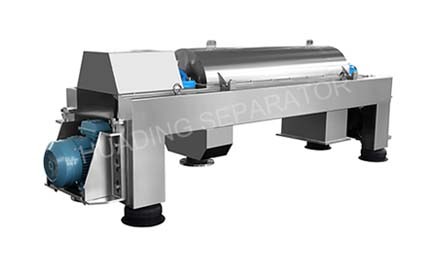
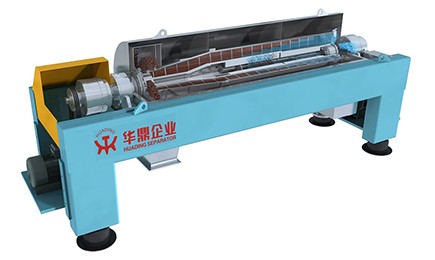
Decanter Centrifuges

Decanter centrifuges are widely utilized in the field of olive oil processing to achieve the phase separation of oil, water, and solids. Inside the centrifuge, the slurry to be processed enters a rotating drum equipped with a screw conveyor.

Under the influence of centrifugal force, the denser solid materials are driven outward and subsequently discharged. Meanwhile, the lighter liquid phases separate into distinct layers and are expelled through their respective discharge ports. This three-phase separation technology ensures the efficient removal of solid impurities and moisture within a single, continuous process.

Decanter centrifuges demonstrate exceptional performance in the following areas:

  • Clarifying the olive oil immediately following the initial pressing stage
  • Reducing the moisture content and particulate levels in the oil prior to final fine filtration and polishing
  • Meeting the demands of large-scale production through a continuous and stable operational mode

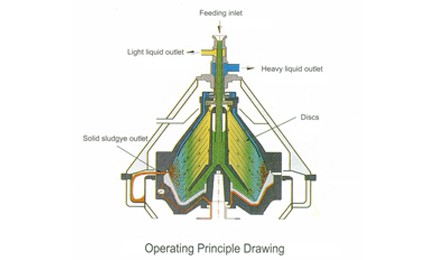
Disc Stack Separators

Disc separators achieve further clarification and purification by separating the extremely fine particles and minute water droplets that may remain after processing in a decanter centrifuge. These separators utilize a stack of conical discs to create a vast effective surface area for separation. As the olive oil flows through this stack of discs, centrifugal force rapidly separates impurities, resulting in an oil that is clearer and possesses greater stability.

Disc separators are commonly employed in the following scenarios:

  • During the final filtration stage following the extraction process
  • To enhance the clarity and visual appearance of the oil
  • When producing premium-grade oils, such as Extra Virgin Olive Oil

Why Centrifugal Separation Matters for Olive Oil Quality?

Efficient olive oil separation is more than a processing step, it directly influences the taste, aroma, stability, and market acceptance of the final product. Properly separated olive oil exhibits improved clarity, reduced bitterness, and lower free acidity, all of which are important indicators of quality, especially in extra virgin oils.

Centrifugal technology offers distinct advantages:

Higher Extraction Efficiency:

Centrifugal force extracts more oil from the paste compared with traditional settling, increasing yield without compromising quality.

Consistent Quality: 

Automated continuous separation produces repeatable results, reducing batch‑to‑batch variation.

Preservation of Natural Properties:

Gentle, thermally controlled separation helps retain natural antioxidants and flavor compounds.

Scalability:

Centrifugal systems are suitable for both small‑scale artisanal production and larger industrial processing lines.

These benefits make centrifugal separation a preferred choice for modern olive oil processors seeking to combine high quality with efficient production.

Huading Solutions for Efficient Olive Oil Separation

Olive oil production is both an art and a science. While pressing and kneading form the foundation of the extraction process, the stages of separation and clarification are the critical factors that ultimately determine the purity, flavor, and overall quality of the finished product.

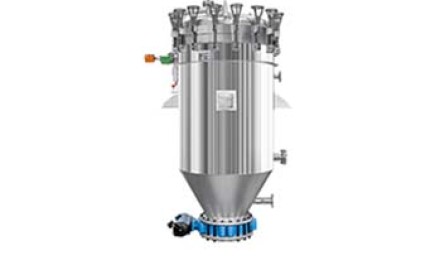
Huading is dedicated to providing advanced centrifugal solutions for olive oil separation processes, offering a product range that includes decanter centrifuges and disc separators. These systems are designed to boost production efficiency, enhance oil clarity, and ensure consistent product quality across every batch.

Leveraging Huading’s advanced technology, olive oil producers can achieve higher oil yields, superior stability, and exceptional product quality. Our systems can be custom-tailored to suit various olive varieties and production scales, enabling producers to not only meet consumer expectations and international quality standards but also simultaneously optimize their operational efficiency.

Get A Quote

Online Consultation
error: Content is protected !!